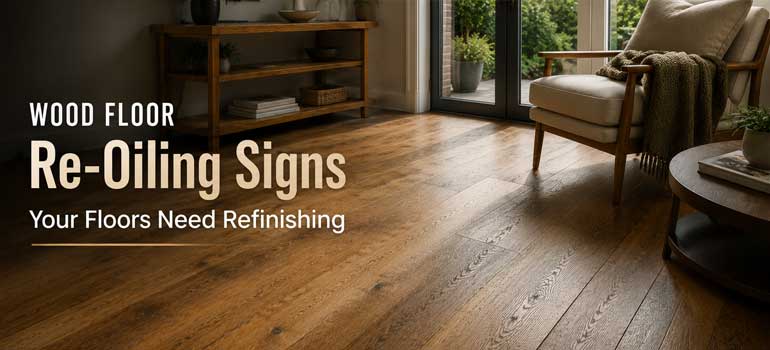
Oiled finishes have become one of the most popular choices for wood flooring, and it's easy to see why. They let the wood's natural texture and grain do the talking rather than sitting under a glossy surface layer, which suits the more understated, natural look a lot of people want. The trade-off is that oiled finishes need a bit more regular attention than some alternatives, and knowing when to top that up matters for keeping the floor properly protected.
Why Oiled Finishes Need This Kind Of Care
Unlike lacquer, which sits on top of the wood as a protective film, oil penetrates into the timber itself, nourishing the fibres from within as well as protecting the surface. This gives oiled floors a genuinely natural look and feel underfoot that lacquer can't quite replicate, but it also means the protection wears down gradually with foot traffic, cleaning, and general use rather than staying intact as a fixed surface layer. That gradual wear is completely normal, it's simply the nature of how this type of finish works, not a sign anything's gone wrong.
How Often Re-Oiling Is Actually Needed
This varies with how heavily the floor is used. Commercial spaces with high daily footfall, offices, shops, and restaurants generally need re-oiling around twice a year to keep the protective layer intact. Residential floors typically need it far less often, usually once a year is enough to keep a well-used home floor looking its best, though a quieter room might comfortably go longer between treatments.
Signs Your Floor Is Ready For Re-Oiling
A few practical signs point to it being time:
- A dull, flat appearance where the floor used to have visible depth and sheen, particularly noticeable in well-trodden areas like hallways.
- Water no longer beading on the surface. A quick test, dabbing a small amount of water onto the floor, is a genuinely useful diagnostic: on a well-protected oil finish, water sits and beads on the surface; if it soaks straight in, the oil's protective barrier has worn through and re-oiling is due.
- Visible scuffs or light scratches that seem to be catching more than they used to, since a worn oil layer offers less resistance to everyday marks.
Re-Oiling Versus A Full Refinish
One thing worth clearing up: re-oiling doesn't need sanding beforehand, which is genuinely one of its advantages, but that's not unique to oil. Lacquer recoating typically doesn't require a full sand either, provided the existing finish and the wood beneath it are in reasonable condition. The real distinction is the finish type itself, oil versus lacquer, each with its own maintenance rhythm, rather than one needing sanding and the other not.
A full sand only becomes necessary once the floor has genuine surface damage, deep scratches, uneven wear, or damage that's gone beyond what a fresh coat of oil or lacquer can address on its own. If that's the case, full sanding and refinishing resets the surface properly before a new finish goes back on.
DIY Or Professional?
Re-oiling is genuinely one of the more DIY-friendly maintenance jobs in wood flooring, since there's no sanding step and the process is largely a matter of following the manufacturer's instructions for your specific oil product. That said, getting an even, properly cured result across a whole room takes a bit of care, and a professional service ensures the right product and application technique for your specific floor, particularly useful if you're not confident judging when a floor genuinely needs it versus simply due to a clean.
Frequently Asked Questions
How can I tell if my oiled floor actually needs re-oiling?
The simplest test is water beading. If a few drops of water sit on the surface rather than soaking straight in, the oil layer is still doing its job. If it absorbs quickly, that's a clear sign it's due for re-oiling.
Does re-oiling require sanding the floor first?
No, which is one of its main advantages over a full refinish. Sanding is only needed when there's genuine surface damage beyond what a fresh coat of oil can address.
How often should a residential wood floor be re-oiled?
Roughly once a year for a typically used home, though a lower-traffic room might comfortably go longer, and a commercial space with heavier daily use usually needs it closer to twice a year.
Can I re-oil my own floor, or should I always hire a professional?
It's one of the more DIY-friendly options in floor maintenance, since there's no sanding involved. A professional service still helps ensure an even result and the right product choice for your specific floor, particularly for a larger area.
Call us on 020 7036 0625 or request a free site visit if it's time for a re-oil, a recoat, or a full refinish.