Monday - Friday 07:30 - 17:30, Saturday 07:30 - 16:00
Wood Floor Maintenance in London
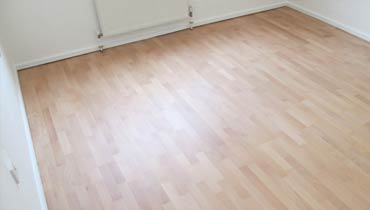
Wood floor maintenance covers the range of professional care and protective treatments — cleaning, polishing, recoating, re-oiling, waxing, and stripping — that preserve the condition, appearance, and performance of wooden floors between full sanding and refinishing cycles.
A well-maintained wood floor lasts significantly longer and costs considerably less to keep in good condition than a neglected one. The finish on a wood floor — whether lacquer, oil, hard-wax oil, or wax — is what protects the timber beneath from moisture, dirt, and surface wear. Once that finish breaks down and is not renewed, damage works its way into the wood itself, at which point a full floor sanding is needed rather than a simple maintenance treatment. Regular maintenance prevents that cycle from happening prematurely.
Flooring Services London provides wood floor maintenance services across London for residential and commercial properties, working with all finish types on solid wood, engineered, parquet, and laminate floors. With over 20 years of experience in London's varied housing stock, we understand what each floor type needs and how to deliver it efficiently and with minimal disruption.
Why Wood Floor Maintenance Matters in London
London's climate creates specific challenges for wood floors. Central heating — which runs for a large part of the year in London homes — dries the air significantly, causing timber to shrink, finishes to become brittle, and wax or oil treatments to dry out faster than they would in milder climates. The city's hard water also leaves mineral deposits on floors that are cleaned with tap water and unsuitable products, dulling the finish over time.
London's busy rental and buy-to-let market adds another dimension. Floors in tenanted properties receive heavier and less careful use than owner-occupied homes, and are often cleaned with inappropriate products that strip or cloud the finish. A floor that is professionally maintained between tenancies costs far less to keep in good condition than one that is left until a full sand is unavoidable.
For London's commercial sector — restaurants, bars, offices, retail, and hospitality environments throughout the city — regular professional maintenance is not optional. High-footfall commercial floors wear through their finish far faster than residential floors, and a maintenance programme that refreshes the finish before the timber beneath is exposed is almost always more economical than reactive restoration.
Wood Floor Maintenance Services
We offer a complete range of maintenance services covering all wood floor types and finish systems. Each sub-service is described in detail on its own page:
Wood Floor Cleaning — professional deep cleaning using finish-compatible products that remove ingrained dirt, cleaning product residue, and surface deposits without stripping or damaging the existing finish. Particularly effective on floors that have been cleaned over time with unsuitable domestic products, which leave a residue that dulls the surface and prevents maintenance treatments from bonding correctly. Suitable as a standalone service or as the preparatory step before recoating or polishing.
Floor Polishing — machine buffing and polish application to restore surface shine and smoothness to floors with a lacquer or polish-compatible finish. Polishing removes light surface marks, evens out minor surface irregularities, and refreshes the appearance of a floor without any sanding or chemical stripping. Ideal for floors that are structurally sound and well-finished but have lost their sheen through regular use. A popular service for London offices and hospitality environments where appearance is a priority.
Wood Floor Recoating — applying a fresh coat of finish over the existing one without sanding the floor back to bare wood. Recoating is the single most cost-effective maintenance treatment for a lacquered floor — it renews the protective layer, restores the appearance, and extends the floor's life significantly at a cost of approximately £8–£12 per m², compared to £15–£25 per m² for a full sand and refinish. The existing finish must be compatible with the recoat product and the surface must be clean and lightly abraded before application. We assess compatibility as part of every recoating job and will advise if a full sand is needed instead.
Floor Waxing — renewing the protective wax layer on floors finished with traditional or hard wax. Wax finishes require more frequent maintenance than lacquer — typically annually or biannually, depending on traffic — but are easier to repair spot by spot without affecting the rest of the floor. Re-waxing involves stripping old wax buildup where needed, buffing the surface, and applying fresh wax by machine. Popular for period properties across London where wax suits the character of original floorboards and parquet.
Wood Floor Re-Oiling — refreshing the oil finish on floors treated with penetrating oil or hard-wax oil (Osmo Polyx, Bona Craft Oil, Rubio Monocoat, and similar products). Oil finishes penetrate into the wood fibres rather than forming a surface film, which means they wear gradually rather than peeling or flaking — but they do need periodic renewal to maintain their protective and aesthetic properties. Re-oiling involves cleaning the surface thoroughly, lightly abrading if needed, and applying one or two fresh coats of the appropriate oil product. Can often be done with minimal disruption — re-oiled floors are typically walkable within a few hours of application.
Floor Stripping — removing old wax, polish, or finish buildup from a floor surface using specialist chemical strippers and mechanical scrubbing, preparing the floor for fresh treatment. Stripping is needed when old finish has built up in uneven layers, when an incompatible product has been applied, or when a floor is being switched from one finish type to another — for example, from wax to oil, or from polish to lacquer. Stripping alone does not damage the timber and is not the same as sanding — it removes the finish layer only.
Commercial Floor Cleaning — specialist deep cleaning and maintenance for wood floors in high-traffic commercial environments across London. Restaurants, bars, offices, retail, hotels, and hospitality venues all require a different approach to floor maintenance than residential properties — heavier soiling, more aggressive cleaning chemicals used by other staff, higher rates of finish wear, and the need to carry out work outside trading hours. We offer commercial maintenance programmes including periodic deep cleaning, recoating, and condition assessments scheduled around business operations.
How Often Does a Wood Floor Need Professional Maintenance?
The answer depends on the floor type, finish, and level of use — but as a general guide for London properties:
| Situation | Recommended maintenance frequency |
|---|---|
| Residential lacquered floor, normal use | Recoat every 3–5 years |
| Residential oiled floor, normal use | Re-oil every 1–2 years |
| Residential waxed floor, normal use | Re-wax every 1–2 years |
| Buy-to-let or rental property | Recoat between each tenancy |
| Restaurant or bar floor | Recoat every 6–12 months |
| Office or retail floor | Recoat every 1–2 years, depending on traffic |
| Full sand and refinish (any floor type) | Every 8–15 years, depending on use and maintenance |
These are approximate intervals — the actual condition of your floor is the best guide. A floor that is showing dull patches, a worn finish in high-traffic zones, or areas where the lacquer is beginning to peel is overdue for professional maintenance. Addressing it at this stage is significantly cheaper than waiting until the timber beneath is exposed and a full sand is unavoidable.
Maintenance vs. Sanding — Choosing the Right Service
The most common question we are asked is whether a floor needs a full floor sanding or whether maintenance will be sufficient. The key distinction is whether the damage has reached the timber or is confined to the finish layer.
Maintenance is appropriate when:
- The finish is dull, worn, or losing sheen but has not broken through to bare wood
- Light surface scratches are visible but do not penetrate through the finish coat
- The floor looks tired but is structurally sound with no gaps, damaged boards, or uneven sections
- A rental property needs refreshing between tenancies quickly and cost-effectively
- A commercial floor needs its finish renewed before wear reaches the timber
Sanding is needed when:
- The finish has worn through in places and bare wood is exposed
- Deep scratches, staining, or water damage have penetrated into the timber
- The floor has structural issues — gaps, loose boards, uneven sections — that need addressing
- The existing finish is incompatible with recoating (peeling, flaking, or heavily contaminated)
- The floor has not been sanded in many years and maintenance alone cannot restore it adequately
Where there is any doubt, we assess the floor in person and give an honest recommendation. We do not upsell sanding when maintenance will achieve the same result.
Wood Floor Maintenance Costs in London
| Service | Typical cost |
|---|---|
| Professional deep cleaning (per m²) | priced on survey |
| Floor polishing (per m²) | from £9/m² |
| Wood floor recoating (per m²) | from £10/m² |
| Floor re-oiling (per m²) | from £10/m² |
| Floor re-waxing (per m²) | from £10/m² (recoating oiled floors) |
| Floor stripping (per m²) | priced on survey |
| Commercial maintenance (priced on survey) | priced on survey |
*All prices shown are exclusive of VAT.
All prices are assessed on site and confirmed in writing before work begins. Properties within the London ULEZ and Congestion Charge zones may include a daily access surcharge, stated explicitly in the quote.
Frequently Asked Questions — Wood Floor Maintenance in London
Can I recoat my floor myself or does it need a professional?
Recoating is one of the few flooring tasks that can be done reasonably well by a careful DIYer — but only if the existing finish is clean, compatible with the recoat product, and lightly abraded correctly before application. The most common DIY recoating mistakes are applying over a contaminated or incompatible surface (causing fish-eye or delamination), using the wrong product for the finish type, and applying too thickly in one coat (causing wrinkling or slow drying). A professional recoat takes half a day and costs a fraction of what a full sand would — for most London homeowners, it is more practical and lower risk to have it done professionally.
My floor was cleaned with a supermarket floor cleaner for years — can it be recoated?
Possibly, but it depends on what has built up on the surface. Many supermarket and domestic floor cleaners contain wax, silicone, or polymer additives that leave a residue incompatible with recoating products. We assess this during the site visit — in many cases a professional deep clean or strip is needed first to remove the residue before recoating can be carried out successfully.
How long does a recoat take and how soon can I walk on it?
A single-room recoat (15–25 m²) typically takes half a day, including preparation, application, and drying time. A full flat or ground floor (50–80 m²) is usually a full day's work. Water-based lacquer recoats are typically walkable in socks after 2–3 hours and ready for furniture after 24 hours. Oil recoats vary by product — most are walkable within 2–4 hours but benefit from 24–48 hours before heavy use.
Do you offer maintenance contracts for London commercial properties?
Yes. For restaurants, offices, retail, and hospitality venues across London, we offer scheduled maintenance programmes — periodic deep cleaning, recoating, and condition assessments at agreed intervals. This is the most cost-effective approach for commercial floors, as it prevents the finish from wearing through to the timber and eliminates the need for expensive reactive restoration. Contact us to discuss a programme suited to your floor type, usage, and trading schedule.
What is the difference between recoating and re-oiling?
Recoating applies a new layer of lacquer or hard surface finish over the existing one, building up the protective film on top of the wood. Re-oiling penetrates the wood fibres and renews the oil layer within the timber rather than on its surface. The appropriate treatment depends entirely on what finish is already on your floor — re-oiling a lacquered floor, or recoating an oiled floor with lacquer, will not work and may cause damage. We identify the existing finish type as part of every maintenance assessment.
Call us on 020 7036 0625 or request a free quote online — we respond to all floor maintenance enquiries the same working day.