Monday - Friday 07:30 - 17:30, Saturday 07:30 - 16:00
Floor Sanding in Clapton, East London, E5
Back to Portfolio
Floor Sanding in Clapton, East London, E5
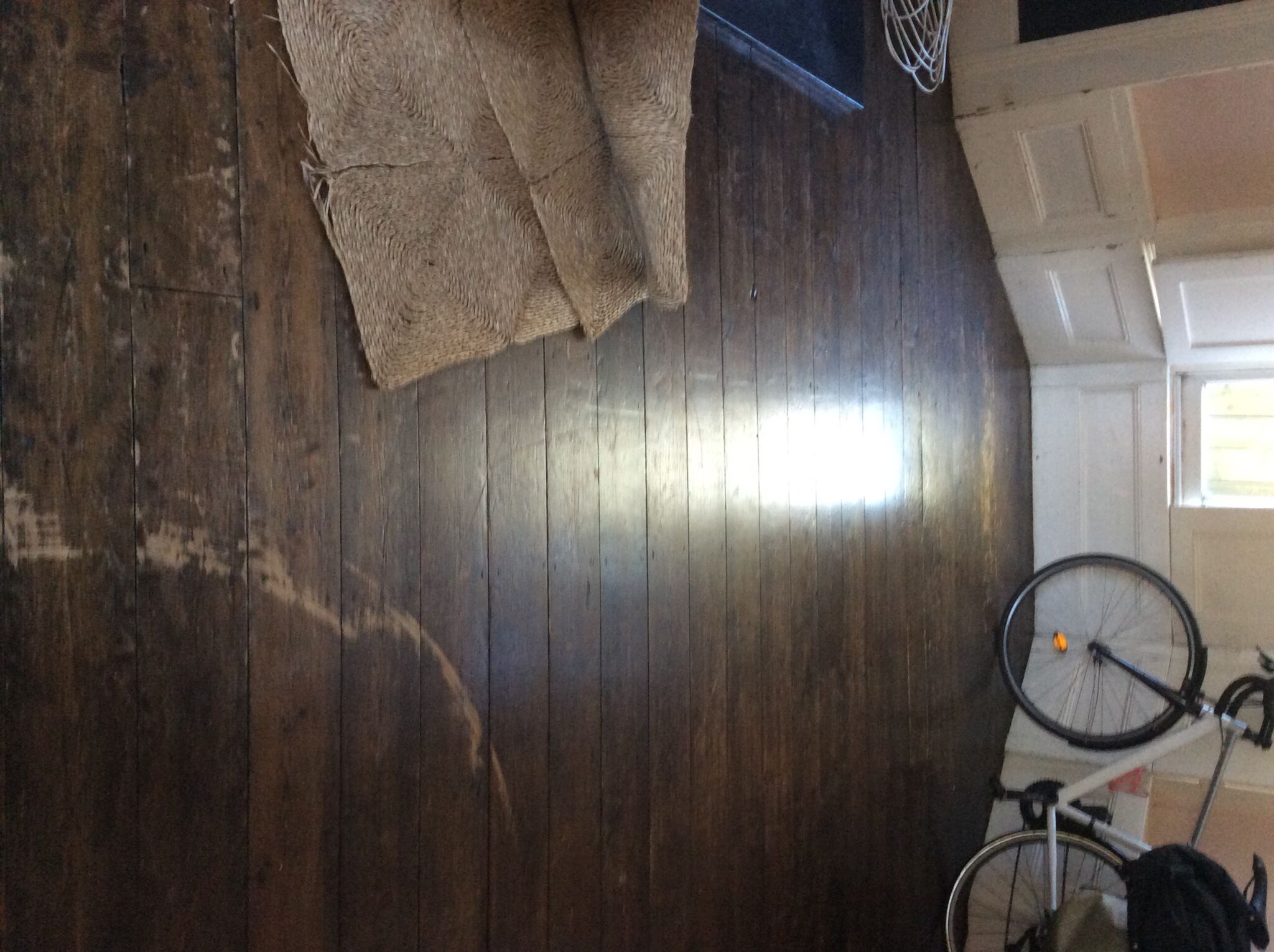
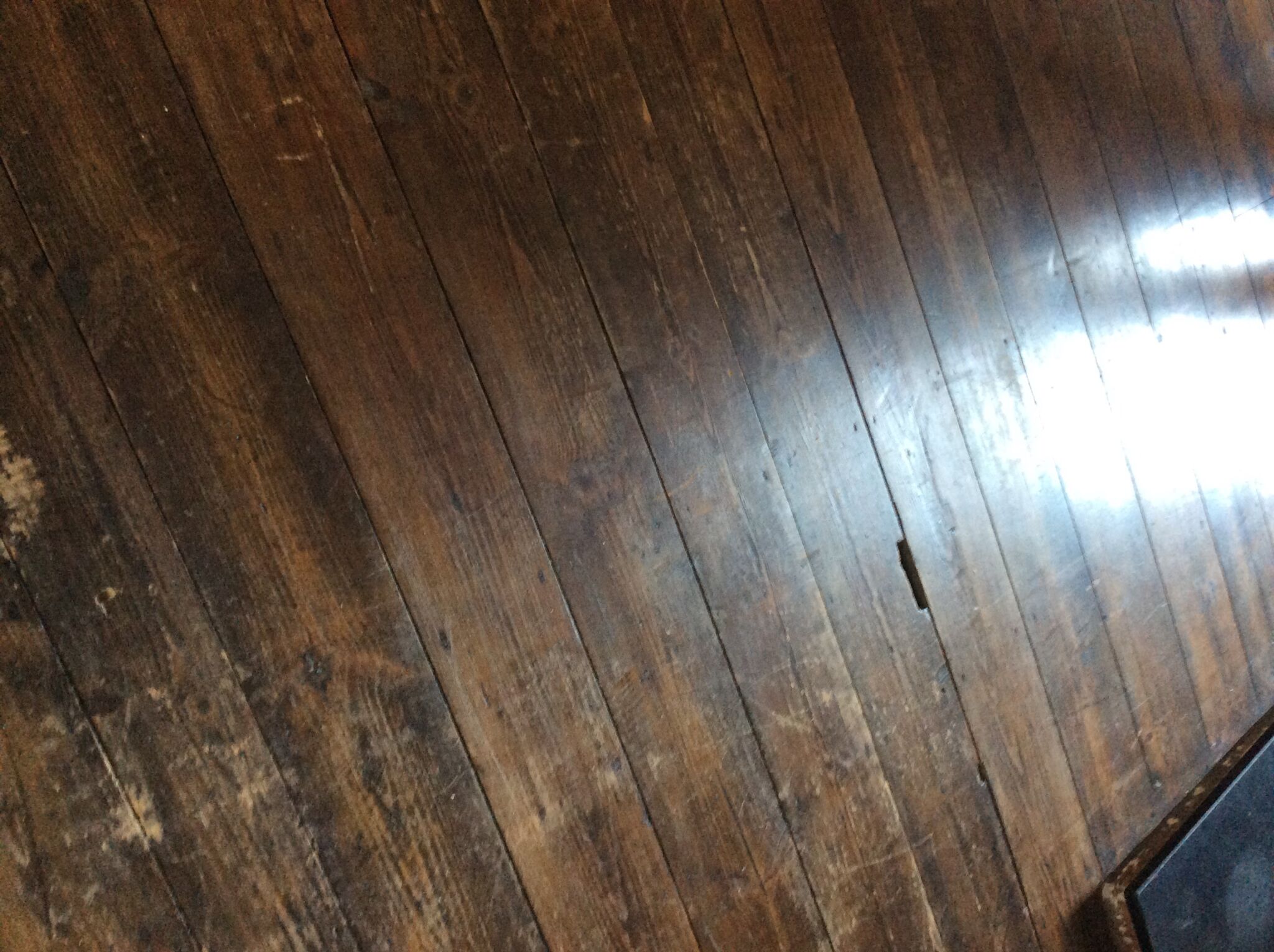
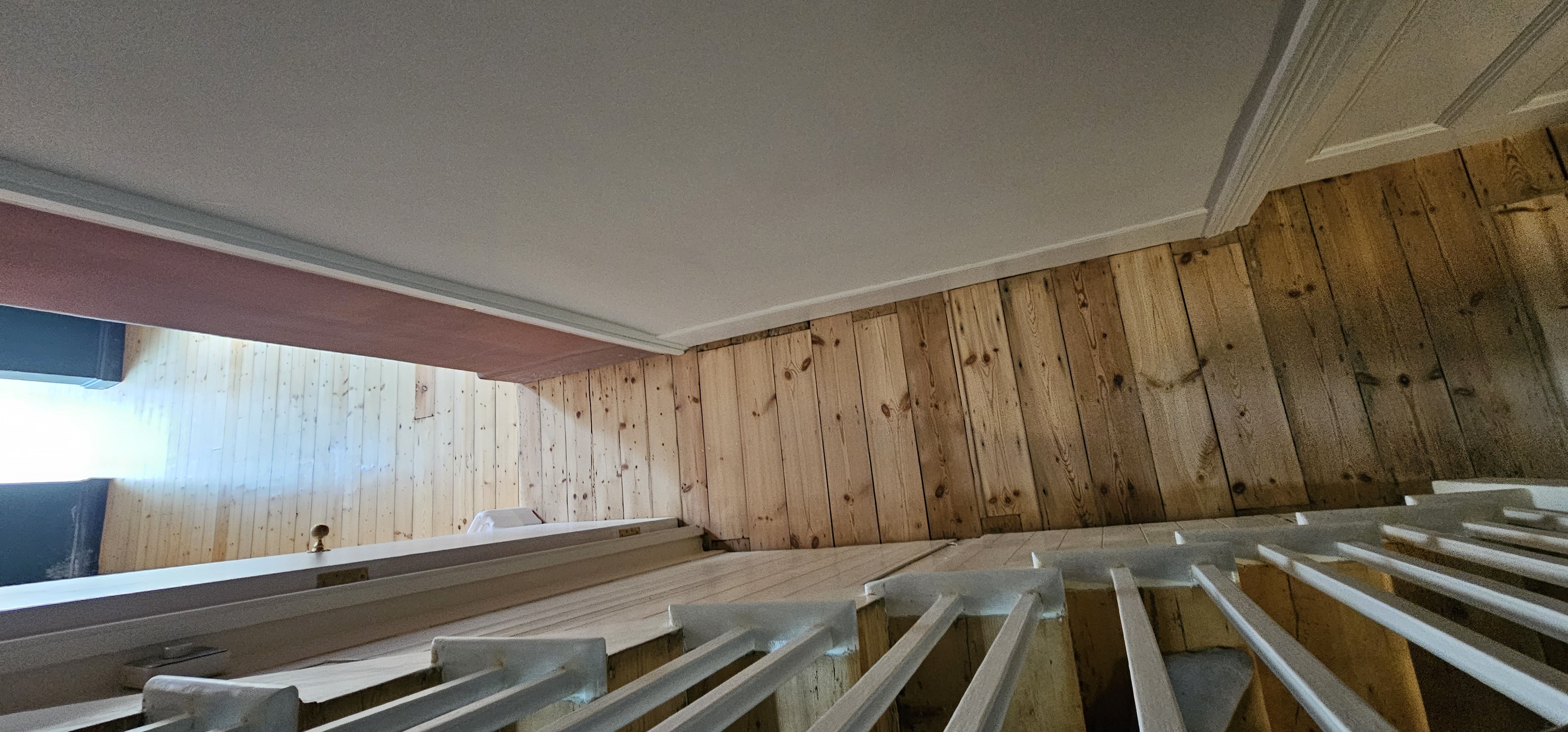
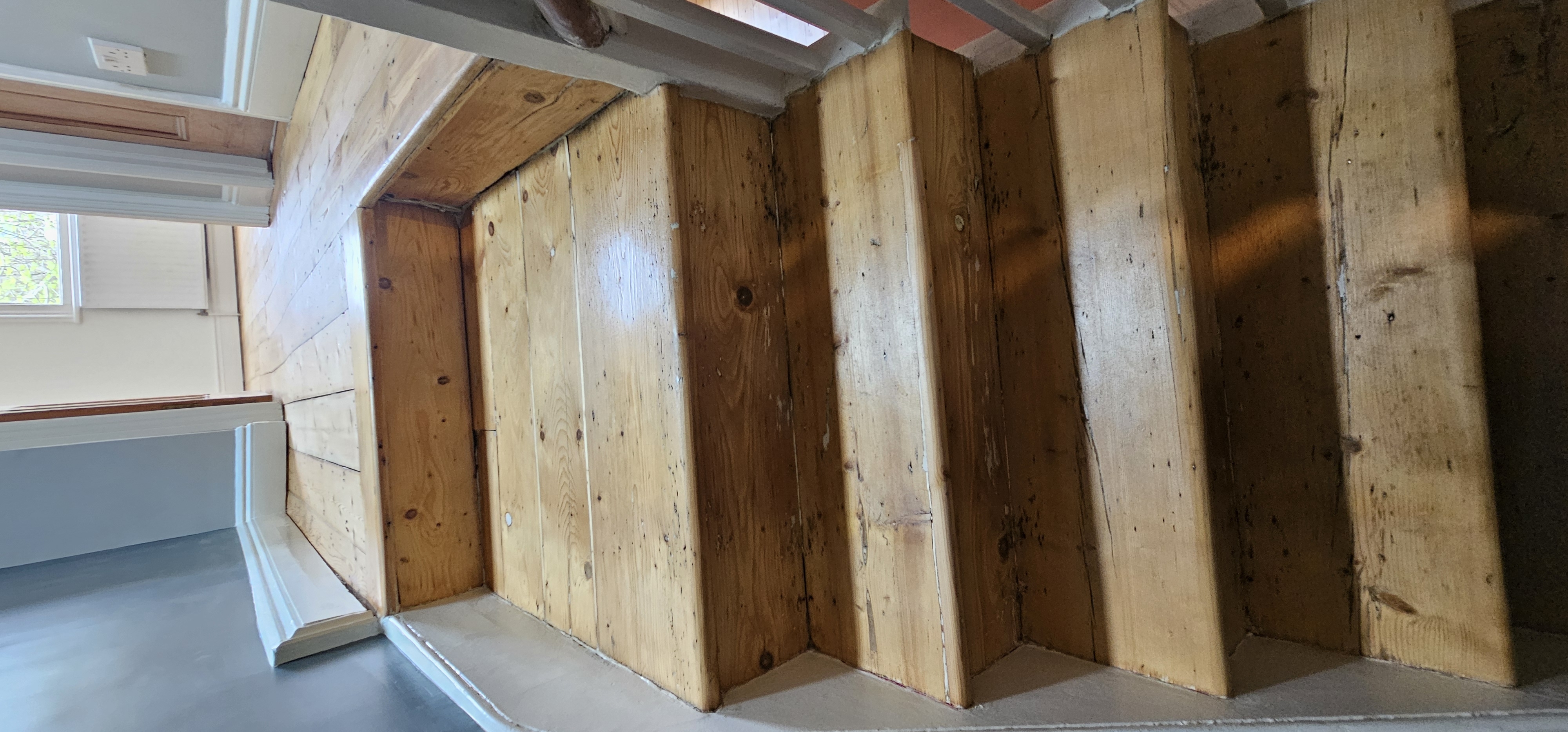
We recently completed a comprehensive floor sanding project at a Victorian terraced property in Clapton, East London. The original wooden floors had been hidden beneath carpet for several decades, requiring careful restoration to bring them back to their original condition. Our team stripped, sanded and finished all the ground floor living areas, revealing beautiful pine boards that had been preserved underneath.
Work carried out
- Full floor sanding across ground floor living spaces
- Dust extraction throughout the sanding process
- Multiple grit progression for smooth finish
- Stain application to enhance grain and colour
- Two coat polyurethane lacquer finish for durability and protection
- Final buffing and polish
About the project
The property owner had recently removed fitted carpet to expose the original floorboards, but the timber was heavily worn and uneven in places. Years of foot traffic and furniture impressions had created surface variations that needed addressing. The boards themselves were solid pine, typical of Victorian construction in this area, and in far better condition than we initially expected given their age. We worked carefully to preserve the original material while improving the overall appearance and functionality.
Our approach started with a detailed assessment of board condition and identification of any loose nails or damaged sections that needed attention before sanding began. We used a combination of drum sanding for the main floor area and edge sanding equipment to reach right into the corners and under radiators. The dust extraction system ran continuously throughout, which meant minimal disruption to the rest of the property. After achieving the desired smoothness, we applied a warm medium oak stain to enhance the character of the timber, then sealed everything with two coats of hard wearing polyurethane lacquer to give long term protection against daily wear.
About our Clapton, East London, E5 service
Clapton has one of the highest concentrations of original wooden flooring in East London, thanks to its large stock of Victorian and Edwardian terraced housing. Most properties here were built between 1880 and 1910, and original floors survive in many homes beneath layers of carpet, lino and hardboard. We work regularly across the area restoring these hidden floors, whether it's pine boards in living spaces, parquet patterns in hallways, or mixed timber types in older converted properties. The challenge with Clapton properties is often that floors have been covered for so long that the timber has absorbed moisture and settled slightly, creating the uneven surfaces and gaps that we're well equipped to address.
Beyond the Victorian terraces, we also work on Edwardian properties, some of which feature more elaborate floor designs including border inlays and feature strips. There are also newer conversions in the area where owners have stripped back to concrete and want to install fresh wooden flooring. The solid construction of these older properties means floors generally respond well to restoration work, and once sanded and sealed properly, they develop a character and durability that's difficult to achieve with modern alternatives. We understand the specific requirements of Clapton properties, from dealing with uneven joists to working around period features like fireplaces and original cornicing.
Frequently asked questions
How much does floor sanding cost per square metre in Clapton?
Sanding costs typically range from £25 to £45 per square metre depending on floor condition, timber type and existing finishes. A room with light surface wear will fall at the lower end, whilst heavily stained or damaged boards requiring extra preparation will cost more. We provide a detailed quote after visiting the property.
How long does a sanding project take?
A ground floor area of around 50 square metres takes approximately 3 to 5 days once we've begun work. This includes sanding with multiple grits, staining and applying protective coatings. Curing time between coats means you won't be able to use the space for 24 to 48 hours after we finish, depending on room temperature and ventilation.
What happens to dust during the sanding process?
We use industrial dust extraction equipment that removes fine particles as they're created, rather than letting them settle throughout your home. The system is connected directly to our sanding machines, meaning dust levels are kept to a minimum. Some fine particles are unavoidable, so we do recommend removing items from the room and closing doors to adjacent spaces whilst work is underway.
Project Gallery