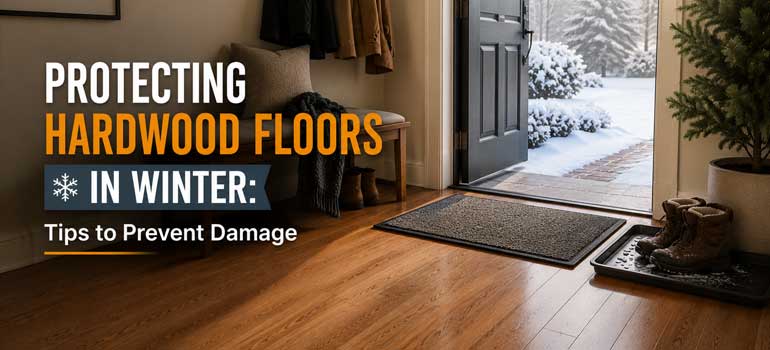
Winter is when most of us spend the most time indoors, and it's also when a wood floor faces its toughest conditions of the year. Cold outdoor air, constant heating, and dry indoor conditions all put real pressure on timber, so a bit of preparation before the season properly sets in makes a genuine difference to how the floor holds up.
Insulation Is Where Winter Prep Really Starts
Getting a floor ready for winter ideally starts long before the cold weather itself, at the point of installation. Floor insulation fitted beneath a wood floor is a genuine long-term investment, and in London's older properties specifically, uninsulated suspended timber floors above an unheated void can account for as much as 15% of a home's total heat loss. If insulation wasn't fitted originally, it's not too late to add it, particularly with engineered wood or laminate, which can usually be lifted and relaid by an experienced fitter without needing to replace the floor itself.
Gaps And Draughts Need Addressing Before The Cold Sets In
Gaps and small splits in a floor's structure let cold draughts in and warm air straight back out, which matters both for comfort and for your heating bill. This isn't really a DIY-friendly fix, getting the right filler material and technique for your specific type of flooring makes a real difference to the final result, and a rushed job can leave the surface uneven or the repair visible once temperatures shift again. Proper gap filling carried out professionally leaves the structure sturdy and the surface genuinely flush, rather than patched over.
Give The Finish A Fresh Layer Before Winter
Once any structural issues are sorted, it's worth considering a fresh coat of finish before the season gets fully underway. Whether that's waxing, re-oiling, or a new layer of lacquer depends on your existing finish type, but the principle is the same either way: a fresh finish soaks into the surface, fills the finest scratches and imperfections, and adds real longevity to the floor heading into its most demanding months. Professional floor polishing is a straightforward way to get this done properly before the coldest weather arrives.
Watch For Movement As Heating Kicks In
Once the heating goes on for the season, indoor air dries out fast, and wood responds by contracting. Keeping indoor humidity broadly within the recommended 30% to 50% range through the winter months helps limit how much movement the floor goes through, and a small, gradual amount of seasonal gapping is completely normal. What's worth watching for is anything beyond that, gaps that seem to be growing wider each year, or any sign of boards lifting or pulling away from the subfloor, since that points to something worth having properly assessed rather than left to sort itself out.
Loose Boards And Squeaks Are Worth Fixing Now
Winter's dry conditions have a way of making existing minor issues - a slightly loose board, an early squeak - considerably more noticeable, since the extra shrinkage that comes with dry heated air often tips a borderline problem into an obvious one. Dealing with floor boards repair before winter properly sets in, rather than waiting until the issue is fully established, is usually the easier and less disruptive fix.
Frequently Asked Questions
Does floor insulation actually make a noticeable difference to heating bills?
Yes, genuinely, particularly in older London properties with suspended timber floors over an unheated void, which can account for a significant share of a home's total heat loss. Insulating beneath the floor is one of the more cost-effective improvements available for that specific issue.
Is some gapping in a wood floor during winter normal?
Yes, a small, gradual amount is completely normal as the wood responds to drier, heated air and usually closes up somewhat once the season ends. It only becomes a concern if the gaps keep growing noticeably wider year after year.
Should I get my floor refinished specifically before winter, or does timing not matter?
Timing does help. A fresh finish applied before the season's heaviest use adds meaningful protection right when the floor needs it most, rather than catching up on wear after the fact.
Why do floor squeaks often get worse in winter?
Dry, heated indoor air causes additional shrinkage in the wood, which can turn a barely-noticeable loose board into an obvious squeak. Addressing loose boards before winter fully sets in is usually a simpler fix than waiting.
Call us on 020 7036 0625 or request a free site visit to get your floor properly prepared before the cold weather arrives.