Monday - Friday 07:30 - 17:30, Saturday 07:30 - 16:00
Floor Insulation Fitting in London
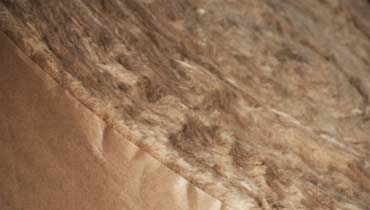
Floor insulation fitting is the installation of a thermal or acoustic insulation layer beneath a wood floor — either between the joists of a suspended timber subfloor or directly over a concrete slab — to reduce heat loss through the floor, improve underfoot comfort, and in the case of high-performance rubber insulation, significantly reduce impact sound transmission between floors.
Floor insulation is one of the most cost-effective energy efficiency improvements available to London homeowners, particularly in the city's large stock of Victorian and Edwardian terraced houses where ground-floor rooms sit above an unheated, poorly ventilated subfloor void. Uninsulated suspended timber floors in these properties can account for up to 15% of a home's total heat loss, and the improvement in comfort — warmer floors underfoot, reduced cold draughts at skirting level — is immediately noticeable after installation.
Flooring Services London installs floor insulation across London as a standalone service and as part of new floor fitting and floorboards fitting projects. Installing insulation at the same time as a new floor — or when existing floorboards are lifted for repair — is significantly more efficient than retrofitting it separately.
When Does a London Floor Need Insulation?
Not every floor in a London property benefits equally from insulation. The rooms and floor types where insulation makes the most practical difference are:
Ground-floor rooms above an unheated void — the most common scenario in London's Victorian and Edwardian terraces. The suspended timber subfloor sits above a crawl space or void that is cold and ventilated, making the floor directly above one of the primary sources of heat loss and cold draughts in these properties. Rockwool mineral wool fitted between the joists is the standard treatment.
Ground-floor rooms above a basement or lower-ground-floor space — where the basement is unheated or used only for storage, the ceiling of the basement (which is the subfloor of the ground floor above) benefits from insulation to reduce heat loss downward and cold transfer upward.
Rooms above garages or outbuildings — common in London's inter-war and post-war semi-detached houses where an integral or attached garage sits beneath a habitable room. The floor of the room above is effectively external and benefits significantly from insulation.
Concrete subfloor rooms — ground-floor rooms in post-war properties with concrete slab subfloors can be cold underfoot even with a wood floor above, as concrete is a poor thermal insulator. High-performance rubber insulation laid over the concrete before a new floor provides both thermal and acoustic improvement.
Flats in multi-occupancy buildings — where acoustic performance between floors is a priority alongside thermal insulation. High-performance rubber insulation systems significantly reduce impact sound transmission and can help meet the acoustic requirements specified in London leasehold flat leases.
Upper-floor rooms above heated spaces — bedrooms above ground-floor living rooms, for example — typically do not require floor insulation, as there is no significant temperature differential across the floor and heat loss is minimal.
Insulation Products and Systems We Install
Rockwool Mineral Wool (Suspended Timber Subfloors)
Rockwool (also known as mineral wool or glass wool) is the standard insulation material for fitting between the joists of a suspended timber subfloor. It is available in semi-rigid batts sized to fit standard joist spacings, providing both good thermal resistance and a degree of acoustic dampening.
The installation method involves either lifting existing floorboards to access the joist void from above, or working from below through a basement or crawl space where access allows. The Rockwool batts are cut to fit snugly between the joists and supported by netting, timber battens, or rigid board beneath to prevent them from falling into the void over time. Gaps at joist ends and around pipes are filled to prevent cold bridging.
Rockwool insulation fitting is priced from £38/m², including the insulation material. This price excludes seasoned pine boards — where existing floorboards need to be lifted and replaced as part of the installation, board replacement is priced separately. Our complete pricing guide has full details.
Ventilation must be maintained beneath the floor when Rockwool is installed between joists. London's Victorian terraces were designed with airbricks at ground level to ventilate the subfloor void — blocking these airbricks when insulating is a common and damaging mistake that leads to moisture accumulation, timber rot, and structural damage over time. We always check airbrick condition and ventilation adequacy before and after insulation installation.
High-Performance Rubber Insulation (Concrete Subfloors)
For rooms with concrete subfloors, a different approach is required. Rockwool cannot be used between joists where there are no joists — instead, a layer of high-performance rubber insulation is laid directly over the concrete slab before the new floor is installed above. Rubber insulation systems provide both thermal performance and, more significantly, excellent impact sound reduction — making them the preferred choice for London flats and apartments where noise transmission between floors is a concern.
High-performance rubber insulation on concrete subfloors is priced from £30/m², including insulation and laying. This price excludes the floor finish installed above.
High-Performance Rubber Insulation (Timber Subfloors)
High-performance rubber insulation can also be laid over an existing timber subfloor — either directly onto existing floorboards or onto a new subfloor layer — where a combination of thermal and acoustic performance is needed and access from below for Rockwool installation is not possible or practical.
This approach adds a thin layer of rubber insulation above the existing subfloor, over which a new engineered floor, laminate, or LVT floor is then installed floating or glued. The total floor build-up is minimal — typically 5–10mm — but the acoustic and thermal improvement is significant.
High-performance rubber insulation on timber subfloors is priced from £40/m², including insulation and laying.
Alternative Insulation Materials
Where clients have specific requirements — allergen sensitivity, environmental credentials, or heritage building constraints — we can advise on and install alternative insulation materials:
Sheep's wool — a natural, breathable insulation material suitable for between-joist installation in period London properties where maintaining the breathability of the original building fabric is a priority. Sheep's wool regulates moisture naturally, reducing the condensation risk in older buildings.
Hemp insulation — a plant-based alternative to mineral wool with good thermal properties and a very low embodied carbon footprint. Suitable for between-joist installation and increasingly specified in London eco-renovation projects.
Rigid insulation boards — high-performance rigid foam or mineral boards for use where headroom is limited and maximum thermal resistance per millimetre of thickness is needed. Relevant in London basement conversions and ground-floor rooms with low ceiling heights.
Floor Insulation and Floor Fitting — Combining Services
Floor insulation is most efficiently installed when combined with a new floor fitting project or when existing floorboards are being lifted for another reason — floor repair, board replacement, or renovation. Lifting and replacing floorboards solely to install insulation is a legitimate approach and the most common way the service is carried out in existing London properties, but combining it with a flooring project that requires the boards to be lifted anyway significantly reduces the overall disruption and cost.
Where insulation is being installed as part of a new floor installation project, we assess the insulation requirements during the free site visit and include all preparation and insulation work in the overall project quote.
Floor Insulation Fitting Costs in London
| Service | Price |
|---|---|
| Rockwool insulation — suspended timber subfloors | from £38/m² (inc. insulation, excl. pine boards) |
| High-performance rubber insulation — concrete subfloors | from £30/m² (inc. insulation and laying) |
| High-performance rubber insulation — timber subfloors | from £40/m² (inc. insulation and laying) |
*All prices shown are exclusive of VAT.
All prices are confirmed in writing after the free site visit. Properties within the London ULEZ and Congestion Charge zones may include a daily access surcharge, stated explicitly in the quote. For a full breakdown of all services, refer to our pricing guide.
Frequently Asked Questions — Floor Insulation in London
Will floor insulation make a noticeable difference in a Victorian London terrace?
Yes — and it is one of the more immediately noticeable home improvements available for these properties. Ground-floor rooms in Victorian terraces with uninsulated suspended timber floors are consistently cold underfoot and draughty at skirting level throughout winter. Rockwool insulation between the joists, combined with skirting gap sealing, eliminates most of this cold transfer and draught. The improvement in comfort is significant, and the energy saving — reducing heat loss through the floor by up to 15% of total home heat loss — is meaningful given London's long heating season.
Do you need to lift all the floorboards to install insulation?
For Rockwool installation between joists from above, yes — the floorboards need to be lifted to access the joist void. In some properties where there is adequate access from below (a basement, crawl space, or accessible sub-floor void), it may be possible to install from below without lifting the floor. We assess access options during the site visit. Where boards need to be lifted, we take care to lift them cleanly, label them for replacement in the correct position, and refix them securely after insulation is installed.
Will installing insulation block my airbricks and cause damp problems?
Not if the installation is done correctly. Airbricks must remain clear and functional after insulation installation — they are critical for ventilating the subfloor void and preventing moisture accumulation and timber rot. We check airbrick condition as part of every insulation installation and never block or obstruct ventilation pathways. Where airbricks are already blocked or damaged before installation, we flag this and advise on remediation before proceeding.
Can floor insulation be combined with acoustic soundproofing?
Yes — high-performance rubber insulation provides both thermal and acoustic benefits simultaneously, making it the preferred choice where both are needed. For London flats where lease terms require minimum acoustic performance standards, a rubber insulation system installed beneath a new floor can contribute significantly to meeting those requirements.
How much floor height does insulation add?
Rockwool between joists adds no floor height — the insulation sits within the existing joist void below the floor level. Rubber insulation over a concrete subfloor adds approximately 5–10mm to the total floor build-up, which may require door trimming and threshold adjustment. Rubber insulation over a timber subfloor similarly adds 5–10mm. All floor height implications are discussed and confirmed during the site visit.
Call us on 020 7036 0625 or request a free quote online — we respond to all floor insulation fitting enquiries the same working day.