Monday - Friday 07:30 - 17:30, Saturday 07:30 - 16:00
Solid Wood Floor Fitting in London
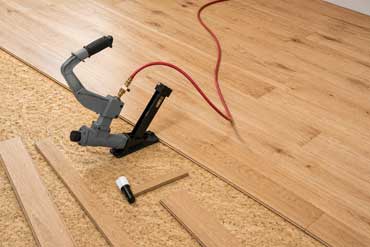
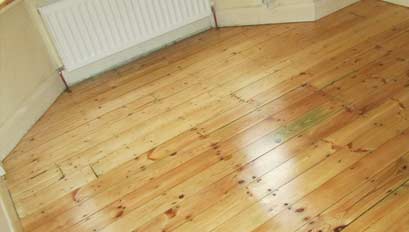
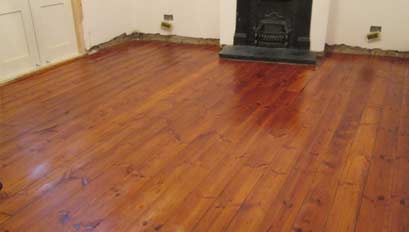
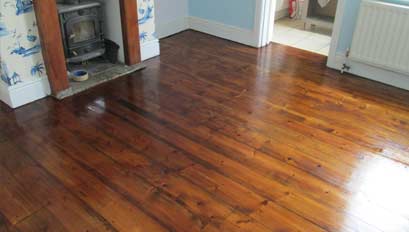
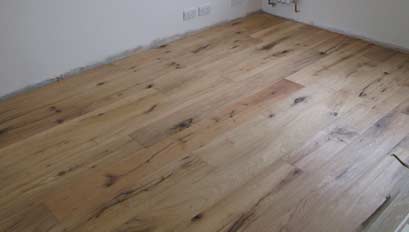
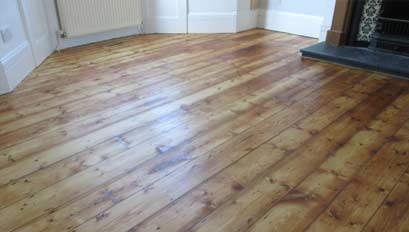
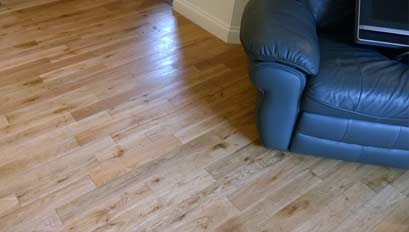
Solid wood floor fitting is the installation of full-thickness hardwood or softwood timber boards — typically 18–22mm of real wood from surface to back — onto a prepared subfloor, using secret nailing, adhesive, or a combination of both, to produce a floor that is structurally integral, long-lasting, and capable of being sanded and refinished many times over its lifetime.
Solid wood is the most durable and longest-lived flooring choice available. A well-installed solid hardwood floor in a London home can last well over a century — several times longer than engineered wood or laminate — and can be completely restored through floor sanding each time it shows significant wear. The initial installation cost is higher than other floor types, but the total lifetime cost per year is typically lower than any alternative.
Flooring Services London installs solid hardwood and softwood flooring across London for residential and commercial clients, as part of our full floor fitting service. Solid wood floor installation is priced from £23/m² for fitting labour. Our full pricing guide covers all additional charges in detail.
Solid Wood vs. Engineered Wood — Choosing the Right Floor for Your London Property
The decision between solid and engineered wood is one of the most common questions we are asked, and for London properties specifically, it is not always straightforward.
Solid wood is the better long-term choice where the subfloor and building conditions allow. It offers greater sandable depth — a 20mm solid oak board can typically be sanded five or more times over its lifetime — and the boards develop a patina and character with age that engineered wood does not replicate. Solid wood is also the correct choice when replacing or extending an existing solid wood floor, where matching the existing boards precisely is a priority.
The constraint is moisture and subfloor type. Solid timber is more sensitive to humidity variation than engineered wood — it expands and contracts more with seasonal changes in temperature and moisture, and it is not suitable for installation over underfloor heating systems in most cases. For London properties with concrete subfloors, underfloor heating, or high ambient humidity (basement rooms, ground-floor rooms with inadequate damp-proofing), engineered wood is typically the more appropriate choice. We assess subfloor conditions during the free site visit and advise honestly on which product is right for your specific property.
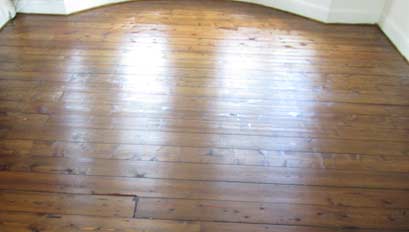
For London period properties — Victorian terraces, Edwardian townhouses, Georgian maisonettes — with original suspended timber subfloors on upper floors, solid hardwood is often the ideal specification: the subfloor type suits it perfectly, the character of solid timber matches the age and feel of the building, and the long-term sandability makes it a genuinely permanent investment.
Solid Wood Species and Specifications We Install
We install all major hardwood and softwood species used in London residential and commercial flooring:
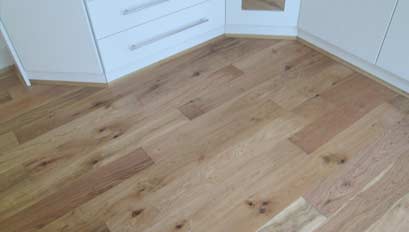
Oak — the most widely installed solid hardwood in London. European oak is available in a wide range of grades from rustic (with prominent knots and character marks) through to prime (clean, even grain with minimal features). It is dimensionally stable relative to other hardwoods, takes stain and finish well, and suits both period and contemporary London interiors. Available in widths from 90mm to 180mm — wider boards show more natural grain variation and are better suited to larger rooms.
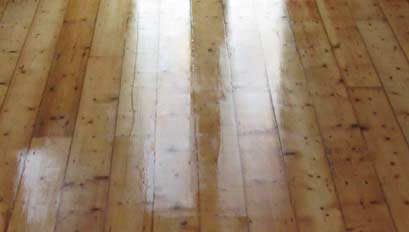
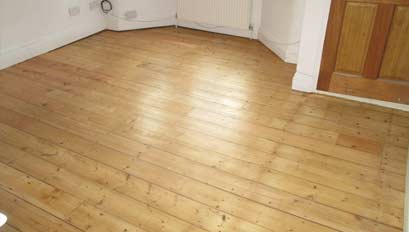
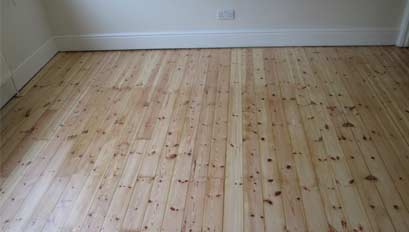
For traditional softwood pine floorboards — the standard board type in London's Victorian and Edwardian terraces — see our floorboards fitting page.
Walnut — a darker, richer hardwood popular in London's higher-specification residential interiors and commercial spaces. European and American walnut both offer distinctive, deep brown tones with fine grain. Walnut is slightly softer than oak and more susceptible to denting in high-traffic areas, but its appearance is highly valued in kitchen, living room, and office environments across the city.
Ash — a pale, light-toned hardwood with strong grain figuring. Popular in contemporary London interiors, where a lighter floor is desired alongside the durability of hardwood. Ash responds well to white and natural oil finishes that enhance its natural grain.
Other species — we install a range of other hardwood species, including maple, cherry, merbau, and iroko on request. For unusual or bespoke specifications, we advise on availability and suitability during the site visit.
Subfloor Requirements for Solid Wood Installation in London
Solid wood must be secret-nailed or fixed to a timber subfloor in almost all circumstances. It cannot be successfully floated, and gluing to concrete — while technically possible in some cases — requires very careful moisture control and is not the standard approach for solid timber. This is the most important practical constraint on solid wood installation and the main reason engineered wood has become more widely installed in London's flatter, concrete-subfloor properties.
Suspended timber subfloors — the standard subfloor in London's Victorian, Edwardian, and inter-war housing stock, and on all upper floors in older properties. Secret nailing through the tongue of each board into the subfloor beneath is the correct method — it secures the board firmly while concealing all fixings, and allows for natural seasonal movement of both the new floor and the subfloor beneath. The existing subfloor boards must be flat (within 3mm over 1.8m), securely fixed, and sufficiently dry before installation begins. Loose or squeaking existing boards are secured as part of the preparation. We also check joist spacing — wide joist spacing may require additional subfloor boarding before the new solid floor is laid.
Moisture management is critical for solid wood over timber subfloors in London. The underfloor void beneath suspended timber floors in Victorian and Edwardian terraces can be a significant source of moisture, particularly in ground-floor rooms and basements. We measure moisture content in both the subfloor and the new boards before installation, and specify a suitable damp-proof membrane where readings indicate elevated moisture. Boards must also be acclimatised in the room where they will be installed for a minimum of five to seven days before fitting — longer for solid timber than for engineered boards — to allow the moisture content of the boards to equalise with the room's ambient conditions before fixing.
Concrete subfloors — in the relatively uncommon cases where solid wood is specified over concrete, a floating batten system is used: treated timber battens are fixed or laid on the concrete slab, and the solid boards are secret-nailed to the battens. This method raises the floor height by approximately 40–50mm and requires adequate headroom. A damp-proof membrane beneath the battens is essential. We assess suitability and advise on the total floor build-up during the site visit.
Finishing Solid Wood Floors After Installation
New solid wood floors are typically supplied unfinished — the final sanding and finishing is carried out on site after installation, which allows for a perfectly smooth, level surface and a bespoke finish specification chosen by the client.
The finishing process involves:
1. First sand — after installation, the floor is sanded across the boards at a slight diagonal to level any minor height differences between adjacent boards and to remove any surface marks from installation.
2. Graduated sanding — sanding through progressively finer grits to produce a smooth, open-grained surface ready for finishing.
3. Gap filling (where specified) — flexible resin filler blended with sanding dust applied to any gaps between boards before the final finish coats. Gap filling is from £7/m² for resin filling. For wider gaps, strip gap filling is from £15/m².
4. Staining (where specified) — wood dye applied to change the tone of the floor before sealing. Available in a full range of Bona and Morrells dyes from light whitewash through to deep ebony. Staining is priced from £8/m².
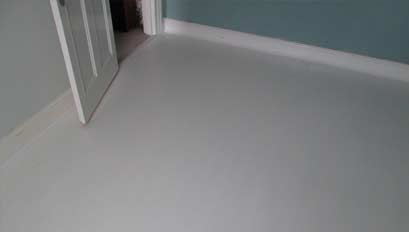
5. Finish application — two or three coats of the specified finish: water-based lacquer (Bona Mega, Bona Traffic HD — the most durable and lowest-odour option), hard-wax oil (Osmo Polyx, Bona Craft Oil — a natural matte look that suits period timber), or Danish oil and wax for traditional finishes on period floors. Full details on finishes are on our floor sanding page.
Some engineered and solid wood products are available pre-finished — sanded and lacquered or oiled in the factory — which allows immediate use after installation without on-site finishing. We advise on whether a pre-finished or unfinished product is more appropriate for your specific project.
Solid Wood Floor Fitting Costs in London
| Service | Price |
|---|---|
| Solid hardwood floor installation | from £23/m² |
| Gap filling — resin (up to 5mm) | from £7/m² |
| Strip gap filling (over 5mm) | from £15/m² |
| Wood floor staining | from £8/m² |
*All prices shown are exclusive of VAT.
Additional charges may apply for subfloor levelling, door trimming, damp-proof membrane, and skirting board or beading installation. All additional charges are confirmed in writing after the site visit — nothing is added on the day. Properties within the London ULEZ and Congestion Charge zones may include a daily access surcharge. Our complete pricing breakdown lists all services and charges in full.
Frequently Asked Questions — Solid Wood Floor Fitting in London
Can solid wood be installed over underfloor heating?
In most cases, no — or only with very careful management and significant restrictions on board width. Solid timber expands and contracts significantly with temperature changes, and the repeated thermal cycles of an underfloor heating system cause solid boards to open and close at their joints in ways that over time can lead to structural failure of the floor. Engineered wood is the correct choice for UFH installations. We advise honestly during the site visit — if your subfloor has underfloor heating, we will recommend engineered over solid without exception.
How long does solid wood need to acclimatise before fitting?
Solid wood requires a minimum of five to seven days acclimatisation in the room where it will be installed, at the normal living temperature and humidity of the property. This is longer than the 48 hours typically required for engineered boards, and longer than manufacturers sometimes state — in London's variable climate, with periods of high summer humidity and dry winter heating, adequate acclimatisation is particularly important. We always confirm the acclimatisation period needed for the specific product before scheduling installation.
Can you match existing solid wood boards in a period London property?
Yes — matching replacement boards to existing Victorian or Edwardian pine or hardwood floors is something we do regularly. Species, width, thickness, and board profile can all be matched closely. New boards will have a different colour to aged timber, but this is addressed through staining and finishing to bring the tone as close as possible to the existing floor. For a seamless visual match, a full sand of the entire floor after installation produces the best result.
Is solid wood suitable for a ground-floor room in a Victorian terrace?
Yes, provided the damp situation is assessed and managed properly. Ground-floor rooms in Victorian terraces have suspended timber subfloors over a void that can be a source of moisture. We measure subfloor moisture levels during the site visit and specify a damp-proof membrane where needed. A well-prepared ground-floor installation in a Victorian terrace with good subfloor ventilation is perfectly suitable for solid hardwood.
What is the difference between solid wood fitting and floorboard fittings?
Solid wood fitting typically refers to the installation of hardwood boards — oak, walnut, ash — in widths of 90mm and above. Floorboards fitting refers to traditional softwood tongue-and-groove boards — typically pine — in the narrower profiles (75–125mm) standard in London's period housing stock. Both are secret-nailed to timber subfloors, but the products, species, and typical applications differ.
Call us on 020 7036 0625 or request a free quote online — we respond to all solid wood floor fitting enquiries the same working day.