Monday - Friday 07:30 - 17:30, Saturday 07:30 - 16:00
Flooring Services Wapping — Floor Sanding, Fitting & Repair in E1 & SE16
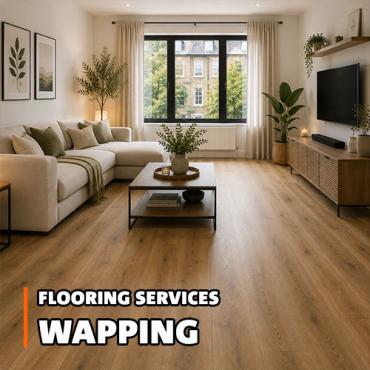
Flooring Services London provides floor sanding, floor fitting, wood floor repair and floor maintenance across Wapping in E1 and SE16. Wapping is one of London's most distinctive riverside neighbourhoods — a narrow strip of land between the Highway and the Thames, historically defined by the London Docks that dominated its southern edge from 1805 until their closure in 1969. The conversion of those docks and their surrounding warehouses into residential properties from the 1980s onwards created the neighbourhood that exists today: a concentrated mix of converted Victorian dock warehouses, Georgian and early Victorian terraced streets on the inland side, and a small number of newer riverside developments filling in the remaining gaps. It is one of the few parts of inner east London where genuinely historic period housing sits alongside the most dramatic warehouse conversion loft apartments in the city — and the flooring requirements of each are completely different. All work begins with a free site visit and a written fixed-price quote.
Wood Floor Fitting in Wapping
The flooring brief in Wapping divides clearly between its two dominant property types, and the correct specification for each requires a fundamentally different approach.
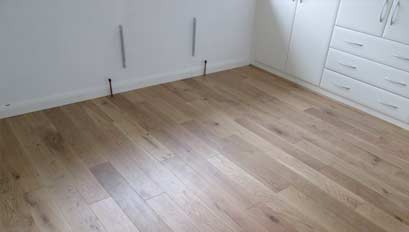
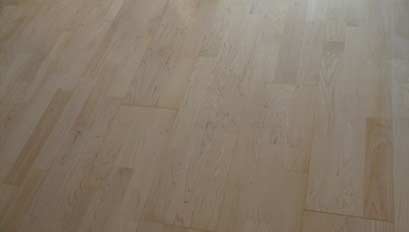
In the converted Victorian dock warehouse apartments — the former tobacco, wine and general cargo warehouses of the London Docks, many of which were converted in the pioneering first wave of Docklands residential development in the 1980s and early 1990s — the subfloor is almost universally the original dock warehouse concrete or stone, often at large spans with generous ceiling heights and open-plan layouts. These spaces are among the most architecturally dramatic residential interiors in London, and their flooring demands a specification that respects that character. Wide-plank engineered oak in natural oil finishes — Osmo Polyx or Bona Craft Oil — is the most appropriate wood floor specification for Wapping's warehouse conversions. The wide format suits the scale of the spaces, the natural oil finish suits the industrial character of the building, and engineered wood handles the moisture conditions of a Thames-adjacent property on former dock land far more reliably than solid timber. Moisture assessment is critical in every Wapping warehouse conversion — the proximity to the Thames, the history of the original dock land, and the nature of the converted buildings' original foundations all combine to produce moisture conditions that vary significantly from one property to the next and must be individually assessed before any floor is specified.
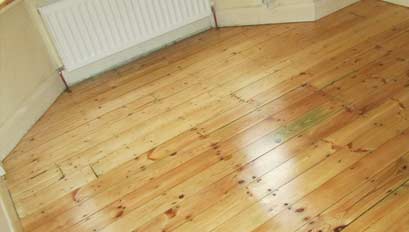
In the Georgian and Victorian terraced houses on the inland streets — Wapping Lane, Scandrett Street, Prusom Street and the residential grid between the Highway and the dock perimeter — suspended timber subfloors are standard and the range of installation options is wider. Original pine boards are common in these properties and are in most cases worth restoring rather than replacing. Where new flooring is going in over a suspended timber subfloor, solid wood floor fitting, engineered wood and parquet floor fitting are all appropriate depending on the subfloor condition and the homeowner's brief. Wapping's Georgian properties — some of which date to the early nineteenth century when this was a prosperous maritime community — occasionally have original floors of genuine age that require a particularly careful and sympathetic approach before any installation is agreed.
Soundproofing underlay is worth considering in any Wapping warehouse conversion apartment where noise between floors is a concern — in the denser conversions, acoustic separation between units can be variable.
Floor Sanding in Wapping
Wapping's floor sanding work is split between two quite different briefs — engineered floor restoration in the warehouse conversions and original period board sanding in the Georgian and Victorian terraced properties.
The warehouse conversion apartments from the first wave of Docklands development — Olivers Wharf, Metropolitan Wharf, Gun Wharves and the other landmark conversions along the Wapping waterfront — are now between thirty and forty years old. The engineered floors installed in these properties during and after conversion are approaching or have passed the point at which professional restoration is appropriate. Wear layer assessment is the essential first step — we always measure the remaining thickness of the wear layer before agreeing to any sanding in a Wapping warehouse conversion, and will advise honestly if the floor cannot safely be sanded again. Where sanding is viable, the result in these generous, light-filled spaces can be outstanding.
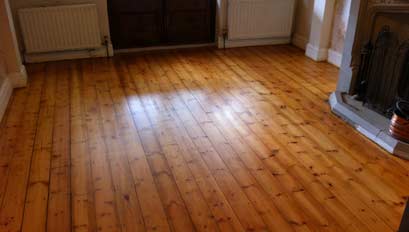
In Wapping's Georgian and Victorian terraced properties, the sanding brief is closer to the classic inner east London picture — original pine and occasionally oak boards assessed for thickness, condition and existing finish, sanded dust-free and finished with the appropriate product for the specific property. For Wapping's genuine Georgian properties, hard-wax oil or traditional wax is almost always the most sympathetic finish — it suits the age of the timber and the character of the building in a way that high-build lacquer does not.
Our dust-free sanding process captures up to 99% of airborne particles at source — particularly important in Wapping's warehouse conversion buildings where shared ventilation systems mean dust generated in one apartment migrates rapidly into neighbouring units and common areas.
The sanding approach by floor type:
- Engineered wood in warehouse conversions — wear layer thickness measured before sanding is agreed; we advise honestly if recoating rather than sanding is the appropriate treatment
- Georgian and early Victorian original boards — assessed individually for species, thickness and condition; finished with hard-wax oil or wax for genuinely historic timber
- Victorian pine boards in the later terraced properties — standard professional sanding with hard-wax oil as the most frequent finish recommendation
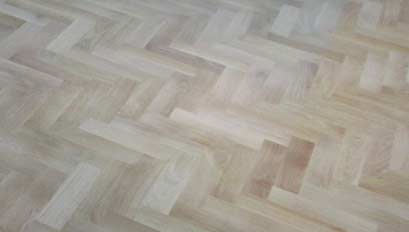
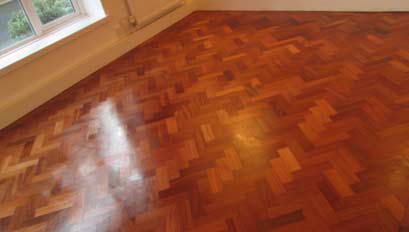
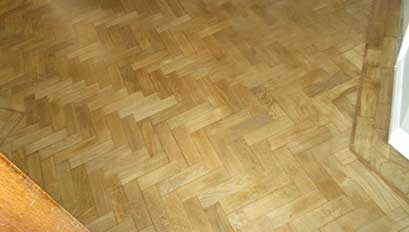
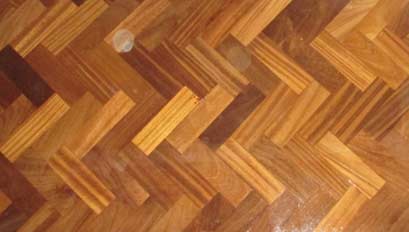
- Parquet floors in the area's period properties require specialist edge work and directional sanding beyond what standard drum equipment can achieve
- Commercial premises — Wapping's growing restaurant and hospitality offer along the waterfront benefits from commercial floor sanding scheduled outside trading hours
Wood Floor Repair in Wapping
Moisture-related floor damage is the single most important repair consideration in Wapping, and it deserves more individual attention here than in most other east London areas. The Thames-side location, the history of the former dock land, and the nature of the converted warehouse buildings' original construction all combine to make moisture a recurring factor in floor damage in Wapping properties — particularly in ground and lower-floor apartments in the warehouse conversions, and in the ground-floor rooms of the older terraced properties closest to the riverside.
We always assess the moisture situation before carrying out any repair work in Wapping — treating the visible damage without understanding the underlying cause leads to the same problem recurring within months.
Beyond moisture-related repair, the most common work across Wapping's different property types includes:
- Surface wear and localised damage repair in warehouse conversion engineered floors — scratches, worn finish areas and edge-lifting addressed with targeted repair and recoating rather than full sanding where the wear layer allows
- Gap filling in the period terraced properties — flexible filler colour-matched to the existing boards, never rigid compound that cracks seasonally
- Board replacement in Georgian and Victorian terraced floors where individual planks have suffered water damage, rot or structural failure — sourcing period-matched timber for older properties
- Loose board re-fixing in the period terraced stock — original fixings working free from joists after decades or centuries of seasonal movement
- Staircase repair in Wapping's period terraced properties — loose treads, damaged nosings and worn stair surfaces are a consistent part of our repair work in E1
Floor Maintenance in Wapping
For Wapping's warehouse conversion apartments with engineered floors in lacquer or oil finishes, the ongoing maintenance approach depends on the specific finish. Lacquered floors benefit from periodic wood floor recoating — a fresh protective coat applied over the existing lacquer once it shows signs of wear, extending the floor's life considerably without the disruption of a full resand. Oiled floors benefit from annual or biannual wood floor re-oiling, which maintains the finish and enhances the natural appearance of the wide-plank timber.
For Wapping's period terraced properties with hard-wax oil or wax-finished floors, periodic professional re-oiling or re-waxing is the most appropriate and most practical ongoing maintenance strategy. The practical advantage of an oil finish in a Wapping period property is significant — localised damage from the moisture conditions that can affect these older buildings can be spot-treated without sanding the entire floor.
Wapping's waterfront commercial and hospitality sector — the riverside restaurants, bars and venues that have made the area one of east London's most sought-after dining destinations — generates consistent demand for commercial floor cleaning and scheduled maintenance programmes in high-traffic environments.
Flooring Services London covers all residential and commercial flooring work in Wapping E1 and SE16 — from the landmark Victorian dock warehouse conversions of the Wapping waterfront to the Georgian and Victorian terraced properties of the inland streets, and the commercial and hospitality premises of the riverside. Call us on 020 7036 0625 or request a quote online — we respond to all Wapping enquiries the same working day.
We regularly work in neighbouring areas including Whitechapel, Stepney, Shadwell, Bermondsey and Limehouse.
Frequently Asked Questions — Flooring in Wapping
What type of flooring is best for a Wapping warehouse conversion apartment? Wide-plank engineered oak in a natural oil finish is our most frequent recommendation for Wapping's dock warehouse conversions. It suits the scale and industrial character of these spaces, performs reliably on the large concrete and stone subfloors of the original buildings, and handles the Thames-adjacent moisture conditions considerably better than solid timber. Moisture assessment before any installation is not optional in Wapping — it is essential, and we carry it out as a standard first step on every site visit.
Can the original floors in a Wapping Georgian or Victorian terrace be restored? Yes — and for most of Wapping's older period properties, it is the right approach. Original boards in these houses are typically in sound structural condition and respond well to professional sanding. For genuinely Georgian properties, the assessment is more individual — timber species, board width and existing condition all vary, and the finish recommendation is always specifically considered for the age and character of the building.
Is moisture always a concern in Wapping properties? It is a more significant consideration in Wapping than in most other east London areas, particularly for ground-floor and lower-floor apartments in the warehouse conversions and for older terraced properties closest to the river. We assess moisture conditions thoroughly during every site visit and specify damp-proof membrane where readings require it. Where moisture levels make timber flooring a risk, we will say so honestly and suggest appropriate alternatives.
Do you sand engineered floors in the Wapping warehouse conversions? Yes — where the wear layer allows. The pioneering warehouse conversions of the 1980s and early 1990s are now old enough that their original engineered floors require professional attention, and sanding is viable in many cases. We always measure the remaining wear layer thickness before agreeing to any sanding and will advise if recoating rather than sanding is the more appropriate treatment for a specific floor.
How do I get a quote for flooring work in Wapping? Call us on 020 7036 0625 or request a free quote online. We will arrange a site visit at a time that suits you and provide a written fixed-price estimate with no obligation.
Flooring Services in Wapping
As a trusted local flooring company, we offer a comprehensive range of flooring services in Wapping and surrounding areas. Whether you need new flooring installed, existing floors repaired, or expert advice on the best flooring options for your property, our experienced team is here to help.
Floor Fitting
Wood floor fitting is the process of installing flooring such as engineered wood, solid wood, parquet, or laminate, ensu...
Floor Sanding
Floor sanding is the process of removing the top layer of a wooden floor using professional sanding equipment to elimina...
Wood Floor Repair
Wood floor repair involves fixing damaged, worn, or unstable areas of a wooden floor, including replacing boards, fillin...
Floor Maintenance
Wood floor maintenance includes cleaning, polishing, buffing, and re-coating wooden floors to preserve their appearance,...
Solid Wood Floor Sanding
Solid wood floor sanding is the process of removing the top layer of solid timber flooring to eliminate wear, scratches,...
Engineered Floor Sanding
Engineered wood floor sanding is the process of carefully removing the top wear layer of an engineered floor to restore ...
Gap Filling
Wood floor gap filling involves sealing gaps between floorboards or parquet blocks to improve stability, appearance, and...
Floor Sealing
Floor sealing refers to the application of a protective finish, such as lacquer or oil, to a wooden floor after sanding,...
Commercial Floor Sanding
Commercial floor sanding involves restoring wooden floors in high-traffic environments by removing worn finishes, surfac...
Engineered Floor Fitting
Engineered wood floor fitting involves installing multi-layered wooden boards designed for stability, allowing them to p...
Laminate Floor Installation
Laminate floor fitting involves installing multi-layer synthetic flooring boards designed to replicate the appearance of...
Floorboards Fitting
Floorboards fitting covers the installation of timber floorboards, ensuring correct preparation, alignment, and fixing f...
Floor Insulation Fitting
Floor insulation fitting involves installing insulating materials beneath a floor structure to reduce heat loss, improve...
Floorboards Repair
Floorboard repair covers the restoration of damaged, loose, or worn timber boards, addressing issues such as movement, s...
Floor Scratch Repair
Wood floor scratch repair focuses on restoring damaged areas of a wooden floor by reducing or removing surface scratches...
Floor Polishing
Floor polishing focuses on enhancing the appearance of wooden floors by restoring shine, improving surface protection, a...
Parquet Floor Sanding
Parquet floor sanding involves carefully restoring patterned wooden flooring by removing worn finishes, surface damage, ...
Floorboards Sanding
Floorboards sanding focuses on restoring timber boards by removing worn finishes, surface damage, and imperfections, cre...
Stairs Sanding
Stair sanding involves restoring wooden staircases by removing worn finishes, surface damage, and imperfections, prepari...
Wood Floor Staining
Floor staining enhances the appearance of wooden floors by applying coloured finishes that change the tone of the wood w...
School Floor Sanding
School floor sanding focuses on restoring wooden floors in educational environments by removing wear, surface damage, an...
Solid Wood Floor Fitting
Solid wood floor fitting requires careful preparation and precise installation, as natural timber reacts to changes in t...
Parquet Floor Fitting
Parquet floor fitting involves installing patterned wooden flooring with precision, ensuring correct alignment, subfloor...
Staircase Floor Fitting
Staircase floor fitting involves installing wooden elements on staircases, including treads, risers, and trims, ensuring...
Soundproofing Wood Flooring
Soundproof floor fitting focuses on reducing airborne and impact noise by installing suitable underlay and flooring syst...
Solid Wood Floor Repair
Solid wood floor repair covers the restoration of damaged timber flooring by replacing worn boards, treating surface iss...
Engineered Floor Repair
Engineered wood floor repair focuses on restoring damaged or worn engineered flooring by addressing surface issues and, ...
Parquet Floor Repair
Parquet floor repair involves restoring patterned wooden flooring by fixing damaged blocks, stabilising loose sections, ...
Wood Floor Cleaning
Wood floor cleaning involves using suitable products and techniques to remove dirt, maintain the finish, and protect the...
Floor Waxing
Floor waxing and recoating involves renewing the protective layer of a wooden floor by removing old wax or finish build-...
Floor Stripping
Floor stripping refers to the removal of old wax, polish, or finish layers from a floor using specialised products, prep...
Wood Floor Re-Oiling
Wood floor re-oiling focuses on renewing the protective oil finish of a wooden floor, enhancing its natural appearance w...
Wood Floor Recoating
Wood floor recoating involves applying a new protective finish over an existing one without full sanding, helping to ref...
Commercial Floor Cleaning
Commercial floor cleaning focuses on deep cleaning and maintenance of flooring in high-traffic environments, removing em...
LVT Floor Installation
LVT floor installation involves fitting luxury vinyl tiles or planks with precision, ensuring correct subfloor preparati...
All our flooring services in Wapping come with a free, no-obligation estimate. We pride ourselves on quality workmanship and competitive pricing across all London boroughs.
Floor Sanding in SE16 — Bermondsey, Canada Water, Docklands, Rotherhithe, Surrey Quays, Wapping
The SE16 postcode district covers Bermondsey, Canada Water, Docklands, Rotherhithe, Surrey Quays, Wapping in London. Our team regularly works on period conversions, Victorian terraces, and modern apartments throughout SE16. Whether you have hardwood boards, parquet, or engineered flooring, we provide professional floor sanding with a free site visit and no-obligation quote.
For detailed area information, see our Flooring Services in Wapping page.
Streets in SE16 Where We've Completed Floor Sanding
Our team has worked on floors in the following SE16 streets across Bermondsey, Canada Water, Docklands, Rotherhithe, Surrey Quays, Wapping: Rotherhithe, Se16.
Frequently Asked Questions
How much does floor sanding cost in Bermondsey, Canada Water, Docklands, Rotherhithe, Surrey Quays, Wapping, SE16?
Floor sanding in Bermondsey, Canada Water, Docklands, Rotherhithe, Surrey Quays, Wapping, SE16 typically costs £25 to £45 per square metre depending on floor condition and finish type. Gap filling and repairs are priced separately.
How long does floor sanding take in Bermondsey, Canada Water, Docklands, Rotherhithe, Surrey Quays, Wapping, SE16?
Most residential floor sanding jobs in Bermondsey, Canada Water, Docklands, Rotherhithe, Surrey Quays, Wapping, SE16 are completed in 1-2 days. Lacquering or oiling adds drying time.
Is your floor sanding process dust-free in Bermondsey, Canada Water, Docklands, Rotherhithe, Surrey Quays, Wapping, SE16?
We use modern dustless sanding equipment that captures 98%+ of airborne particles, keeping your Bermondsey, Canada Water, Docklands, Rotherhithe, Surrey Quays, Wapping, SE16 property clean.
Do you offer free site visits in Bermondsey, Canada Water, Docklands, Rotherhithe, Surrey Quays, Wapping, SE16?
Yes, we offer free, no-obligation site visits in Bermondsey, Canada Water, Docklands, Rotherhithe, Surrey Quays, Wapping, SE16. Our surveyor assesses the floor and provides a detailed quote on the spot.
Also available in SE16:
Wood Floor Fitting in Bermondsey, Canada Water, Docklands, Rotherhithe, Surrey Quays, Wapping, SE16