Monday - Friday 07:30 - 17:30, Saturday 07:30 - 16:00
Flooring Services East Ham — Floor Sanding, Fitting & Repair in E6
East Ham is one of the most consistently Victorian neighbourhoods in east London. The terraced streets that run between High Street North, Plashet Grove, Hatherley Gardens, and the Central Park area were built almost entirely between the 1880s and 1910s, constructed at pace to house the dock workers, railway employees, and tradespeople who were flooding into east London during the industrial expansion. The result is a remarkably coherent housing stock: two and three-storey bay-fronted terraces, most of them built on suspended timber joists, with high ceilings, original fireplaces, and in many cases the tiled hallway floors and decorative cornicing that are among the most recognisable features of the era.
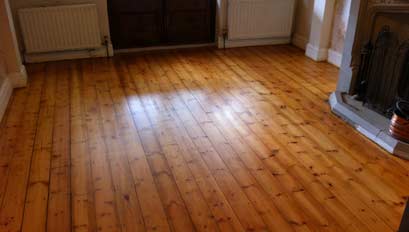
What that means for flooring is significant. Beneath the carpets that were laid in the majority of these properties from the 1960s onwards, there are almost always original pine or oak floorboards — and in East Ham, unlike in areas where later redevelopment or Docklands-era development replaced much of the Victorian stock, those boards have frequently survived intact. They are typically on suspended timber subfloors with an air gap beneath, nailed to joists, and range in condition from excellent to damaged depending on how the property has been treated over the decades. Finding out which category your boards fall into is the first thing we do at the free site visit — and the answer shapes everything that follows.
We work across E6 regularly, covering East Ham and the surrounding streets. Call us on 020 7036 0625 or request a free estimate to arrange a no-obligation visit.
Floor Sanding and Finishing in East Ham
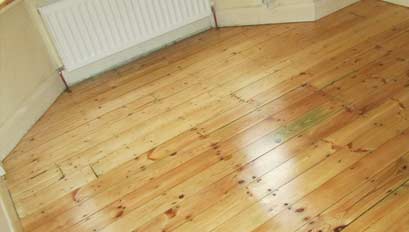
Floor sanding in East Ham's Victorian and Edwardian terraces is among the most rewarding work we carry out — and among the most technically demanding. The original pine boards found throughout E6's period housing vary considerably in thickness, condition, and the number of times they have previously been sanded. Getting the assessment right before the machine is switched on is what determines the quality of the finished result.
The typical process in an East Ham terrace runs as follows. We begin by checking the boards for protruding nails, loose fixings, and structural damage, addressing all of these before sanding begins — a nail that catches a sanding belt damages the belt and scores the board. We then work across the floor with belt sanders followed by edge equipment, moving progressively through finer grits until the surface is clean, level, and ready for finishing. In a room with a bay window — common throughout East Ham's terraced housing — the bay area requires particular care with the edge sander, as these sections are often in different condition to the main floor.
Gap filling is almost universal in East Ham properties. Decades of seasonal movement in the suspended timber structure open joints between boards, and these are filled with flexible resin matched to the board tone before any finish is applied. Done properly, the filled gaps are barely visible and do not reopen with subsequent seasonal movement the way rigid fillers do.
Finish choices in East Ham tend to vary between owner-occupiers and landlords:
- Lacquer — the most durable option, ideal for hallways and living rooms in family homes; East Ham's narrow terraced hallways see heavy daily foot traffic and benefit from a hard-wearing finish
- Hardwax oil — preferred by many owner-occupiers who want a more natural look; it is repairable in sections if individual boards get scratched, which matters in a floor you intend to live with for years
- Staining before sealing — changes the timber tone significantly, useful where boards are uneven in colour or where a contemporary dark-wood look is wanted in an otherwise traditional property
Stair sanding is frequently part of an East Ham job. Many of the terraced houses have original pine staircases that match the ground-floor boards, and restoring them in the same session ensures a consistent finish throughout. For an overview of what sanding and finishing costs across different room sizes, our pricing guide covers this clearly.
Thinking about lifting the carpet? Call us on 020 7036 0625 or book a free site visit — we'll tell you exactly what's under there and what it would cost to restore it.
Wood Floor Fitting in East Ham
Not every East Ham property is a candidate for floor restoration. In some cases the original boards are too thin from previous sanding, too badly damaged by moisture or woodworm, or have been replaced by chipboard at some point in the past. In these situations, fitting a new floor is the right path — and the suspended timber subfloors common throughout East Ham's Victorian stock offer genuine flexibility in terms of what can be laid.
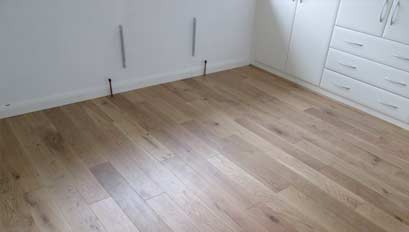
Solid wood is a strong option in East Ham terraces with well-ventilated suspended floors. Where joists are sound and the air gap beneath is clear and dry, solid boards can be secret-nailed directly to the subfloor in the traditional manner. Species like European oak or engineered-look solid pine suit the period character of these properties well, and solid wood offers the longest lifespan of any timber floor — multiple re-sands over several decades before replacement is necessary. It is the right choice for an owner-occupier renovating a property they intend to stay in.
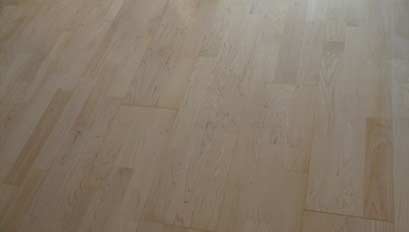
Engineered wood is a more flexible specification and suits a wider range of East Ham subfloor situations. It works on both suspended timber and concrete, handles the humidity variations that come with the intermittent heating patterns typical of E6's older housing stock, and is available in formats that sit naturally in a Victorian interior. Narrower boards in natural or lightly smoked oak work well in the modestly proportioned rooms of a standard two-storey terrace; wider engineered planks with a brushed finish tend to suit the larger receptions found in the Edwardian properties around Plashet Grove and the Central Park area.
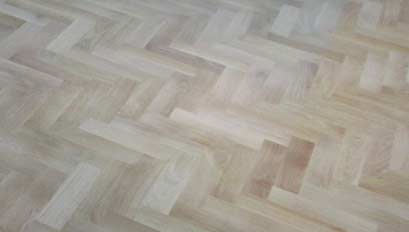
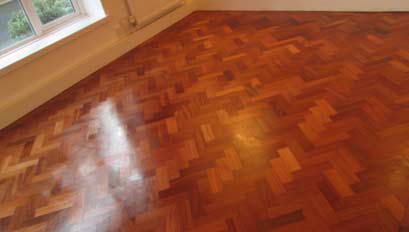
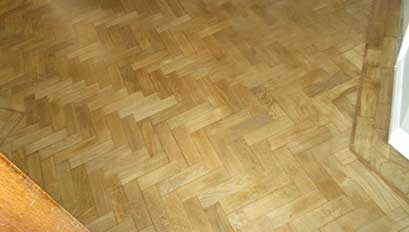
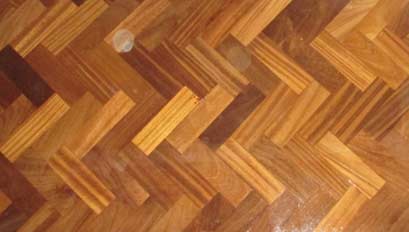
Parquet flooring has a particular resonance in East Ham's period properties. A number of the larger Edwardian houses in the area have original block parquet in the hallway or reception rooms, and where these are damaged or missing sections, we carry out parquet restoration and repair to match the existing blocks as closely as possible. For new parquet installations, herringbone engineered oak is an increasingly popular choice for homeowners who want to reference the period character of the property with a contemporary specification.
Where a new floor is being fitted over a suspended timber subfloor with any signs of flex or movement, we overlay with plywood before laying to create a stable, even base — this prevents the new floor from squeaking and protects the joints from working loose over time.
LVT Installation in East Ham
Luxury vinyl tile is a realistic and practical alternative to timber for a significant proportion of East Ham's rental and owner-occupied properties. In a borough with one of London's most active private rental markets — East Ham's District and Hammersmith & City line connections make it a consistent draw for commuters to the City and Canary Wharf — landlords need a floor that performs reliably and looks good without requiring specialist maintenance between tenancies.
LVT's advantages in East Ham's rental context are practical:
- Fully waterproof — resistant to the spills and moisture exposure that affect timber finishes in heavily used kitchens and bathrooms
- Highly durable — the wear layer on a commercial-grade LVT product handles high foot traffic across multiple tenancies without deterioration
- No specialist maintenance — no re-oiling, recoating, or sanding required; cleaning is straightforward
- Available in realistic wood formats — modern LVT closely replicates the appearance of oak, pine, and other species at a fraction of the cost of timber
In East Ham's older terraced housing, subfloor preparation is the critical step. On suspended timber subfloors — the most common situation in E6's period terraces — we overlay with plywood before laying any LVT, eliminating the flex that causes click-lock joints to fail. Where ground-floor rooms have been previously converted to concrete, we test for moisture and level the surface with self-levelling compound before installation. The preparation adds time but is the reason our LVT installations remain in good condition for years rather than failing within months.
Wood Floor Repair in East Ham
East Ham's Victorian and Edwardian terraces accumulate flooring issues in predictable ways. The suspended timber construction that makes original boards so appealing also means that over the decades, seasonal movement, settling, and the effects of intermittent damp all leave their mark. The repair work we carry out most frequently in E6 properties covers:
- Squeaking boards — the most common complaint in East Ham terraces; caused either by loose nail fixings or by boards rubbing at the joints, and the correct fix is different for each cause
- Widened gaps — filled with flexible resin before refinishing; rigid fillers crack and fall out as the floor moves seasonally, so the product and method matter
- Damaged or rotten boards — replaced individually with matching timber, sourced to match the width, thickness, and species of the surrounding boards as closely as possible
- Woodworm damage — common in East Ham's older properties where boards have been left in damp or unventilated conditions; we assess the extent and advise on whether individual boards need replacing or the floor is still structurally sound overall
For engineered floor repairs in the newer properties and conversions around East Ham station, the repair approach depends on the wear layer thickness and the nature of the damage. Localised surface damage can often be addressed with a spot treatment; widespread delamination or lifting requires board-by-board assessment and, in some cases, a full replacement.
Where moisture is the underlying cause of floor damage — a common situation in ground-floor rooms in East Ham's terraces, where damp-proofing may be inadequate or absent — we identify and confirm the source before carrying out any repairs. Replacing boards without resolving the moisture issue means the problem returns, usually within one or two seasons.
Wood Floor Maintenance in East Ham
A well-maintained floor in an East Ham terrace should last the life of the property. The original pine boards in many E6 houses are already 120 years old and still sound — testament to what good timber, properly finished and consistently maintained, can achieve. Regular maintenance is what keeps a restored or newly fitted floor in that condition without requiring a full sand or replacement for many years.
For oiled floors — the preferred finish for many East Ham owner-occupiers who want a natural, repairable surface — we carry out re-oiling every two to four years depending on how much foot traffic the floor receives. The process involves thoroughly cleaning and degreasing the floor, then applying a fresh coat of compatible oil. It restores the protective layer, revives the timber's colour, and prevents the wood from drying out and becoming brittle. It is a one-day job for most rooms.
For lacquered floors that have dulled without structural damage, recoating — applying a fresh lacquer layer over the existing finish — is the right maintenance treatment. It is significantly less disruptive than a full sand and achieves a very similar improvement in appearance and protection at a fraction of the cost.
For landlords across East Ham managing properties between tenancies, a recoat or re-oil scheduled during a void period is one of the most cost-effective ways to protect a floor. The cost of a maintenance treatment is typically a small fraction of a full restoration, and catching the floor at the right point in its life cycle avoids the situation where incremental neglect makes a full sand the only viable option. We are happy to advise on the right maintenance interval for your specific floor type, finish, and usage.
Frequently Asked Questions — Flooring in East Ham E6
I've lifted the carpet in my East Ham terrace and there are original pine boards underneath — are they worth restoring? Almost certainly, yes — provided they meet a few basic criteria. The boards need to be at least 18–20mm thick to have sufficient material for sanding without going through to the structural layer. They should be broadly sound (not rotten or riddled with woodworm), and there should not be significant moisture ingress through the subfloor. We check all of this at the free site visit. In East Ham's older terraces, the boards are frequently in better condition than owners expect, particularly where the carpet has protected them for decades.
My East Ham hallway gets extremely heavy use — which finish holds up best? East Ham's terraced hallways are narrow, dark, and see more foot traffic per square metre than almost any other room in the house. Lacquer is the most durable finish for this situation — it forms a hard protective layer over the timber surface and is easy to clean. A water-based lacquer in a satin or semi-gloss sheen is the standard recommendation; it holds up well to shoes, bags, and daily use. Hardwax oil is more repairable if damaged but requires more care in a hallway setting. We discuss this at the site visit based on your specific floor and usage.
Can the original parquet in an East Ham Edwardian property be restored if some blocks are missing? Yes, in most cases. The key is sourcing matching blocks — the right species, thickness, and width to blend with the existing floor. We assess the original parquet and advise on sourcing before committing to a restoration. Where blocks cannot be matched exactly, sections can sometimes be rearranged to conceal the poorest areas and use replacement blocks in less prominent positions. A full parquet restoration in an East Ham Edwardian property is one of the most rewarding jobs we carry out.
My ground-floor room in East Ham has damp — can I still have a wood floor? Damp must be properly assessed and addressed before any wood floor is laid. Unresolved moisture in a ground-floor room will damage timber and cause LVT to lift regardless of how well it is installed. Once the source is identified and treated — whether that is improved subfloor ventilation, a damp-proof membrane, or remedial work to the structure — we can advise on the most appropriate flooring product for the specific conditions. We are happy to discuss this at the free site visit.
How many times can original East Ham floorboards be sanded before they need replacing? It depends on the thickness of the boards and how much material has already been removed in previous sanding jobs. Original Victorian pine boards in E6 terraces were typically laid at 22–25mm thickness; each sanding removes approximately 1–2mm. Most boards that have never been sanded can be done three to four times before the thickness becomes a concern. Boards that have already been sanded once or twice may only have one further sanding in them. We check thickness and condition at the site visit and give you a straightforward answer before any work begins.
Working Across East Ham
We cover all of East Ham and the surrounding E6 area, including the Central Park streets, Plashet Grove, Hatherley Gardens, Roman Road, High Street North corridor, and Woodgrange Park borders. Whether your project is restoring original Victorian boards, fitting engineered or solid wood in a newly renovated terrace, installing LVT in a rental property, or repairing a parquet floor in an Edwardian house, we provide a free no-obligation estimate before any work starts.
Call us on 020 7036 0625 or request a free quote. We're available Monday to Friday 07:30–17:30 and Saturday 07:30–16:00.
Flooring Services in East Ham
As a trusted local flooring company, we offer a comprehensive range of flooring services in East Ham and surrounding areas. Whether you need new flooring installed, existing floors repaired, or expert advice on the best flooring options for your property, our experienced team is here to help.
Floor Fitting
Wood floor fitting is the process of installing flooring such as engineered wood, solid wood, parquet, or laminate, ensu...
Floor Sanding
Floor sanding is the process of removing the top layer of a wooden floor using professional sanding equipment to elimina...
Wood Floor Repair
Wood floor repair involves fixing damaged, worn, or unstable areas of a wooden floor, including replacing boards, fillin...
Floor Maintenance
Wood floor maintenance includes cleaning, polishing, buffing, and re-coating wooden floors to preserve their appearance,...
Solid Wood Floor Sanding
Solid wood floor sanding is the process of removing the top layer of solid timber flooring to eliminate wear, scratches,...
Engineered Floor Sanding
Engineered wood floor sanding is the process of carefully removing the top wear layer of an engineered floor to restore ...
Gap Filling
Wood floor gap filling involves sealing gaps between floorboards or parquet blocks to improve stability, appearance, and...
Floor Sealing
Floor sealing refers to the application of a protective finish, such as lacquer or oil, to a wooden floor after sanding,...
Commercial Floor Sanding
Commercial floor sanding involves restoring wooden floors in high-traffic environments by removing worn finishes, surfac...
Engineered Floor Fitting
Engineered wood floor fitting involves installing multi-layered wooden boards designed for stability, allowing them to p...
Laminate Floor Installation
Laminate floor fitting involves installing multi-layer synthetic flooring boards designed to replicate the appearance of...
Floorboards Fitting
Floorboards fitting covers the installation of timber floorboards, ensuring correct preparation, alignment, and fixing f...
Floor Insulation Fitting
Floor insulation fitting involves installing insulating materials beneath a floor structure to reduce heat loss, improve...
Floorboards Repair
Floorboard repair covers the restoration of damaged, loose, or worn timber boards, addressing issues such as movement, s...
Floor Scratch Repair
Wood floor scratch repair focuses on restoring damaged areas of a wooden floor by reducing or removing surface scratches...
Floor Polishing
Floor polishing focuses on enhancing the appearance of wooden floors by restoring shine, improving surface protection, a...
Parquet Floor Sanding
Parquet floor sanding involves carefully restoring patterned wooden flooring by removing worn finishes, surface damage, ...
Floorboards Sanding
Floorboards sanding focuses on restoring timber boards by removing worn finishes, surface damage, and imperfections, cre...
Stairs Sanding
Stair sanding involves restoring wooden staircases by removing worn finishes, surface damage, and imperfections, prepari...
Wood Floor Staining
Floor staining enhances the appearance of wooden floors by applying coloured finishes that change the tone of the wood w...
School Floor Sanding
School floor sanding focuses on restoring wooden floors in educational environments by removing wear, surface damage, an...
Solid Wood Floor Fitting
Solid wood floor fitting requires careful preparation and precise installation, as natural timber reacts to changes in t...
Parquet Floor Fitting
Parquet floor fitting involves installing patterned wooden flooring with precision, ensuring correct alignment, subfloor...
Staircase Floor Fitting
Staircase floor fitting involves installing wooden elements on staircases, including treads, risers, and trims, ensuring...
Soundproofing Wood Flooring
Soundproof floor fitting focuses on reducing airborne and impact noise by installing suitable underlay and flooring syst...
Solid Wood Floor Repair
Solid wood floor repair covers the restoration of damaged timber flooring by replacing worn boards, treating surface iss...
Engineered Floor Repair
Engineered wood floor repair focuses on restoring damaged or worn engineered flooring by addressing surface issues and, ...
Parquet Floor Repair
Parquet floor repair involves restoring patterned wooden flooring by fixing damaged blocks, stabilising loose sections, ...
Wood Floor Cleaning
Wood floor cleaning involves using suitable products and techniques to remove dirt, maintain the finish, and protect the...
Floor Waxing
Floor waxing and recoating involves renewing the protective layer of a wooden floor by removing old wax or finish build-...
Floor Stripping
Floor stripping refers to the removal of old wax, polish, or finish layers from a floor using specialised products, prep...
Wood Floor Re-Oiling
Wood floor re-oiling focuses on renewing the protective oil finish of a wooden floor, enhancing its natural appearance w...
Wood Floor Recoating
Wood floor recoating involves applying a new protective finish over an existing one without full sanding, helping to ref...
Commercial Floor Cleaning
Commercial floor cleaning focuses on deep cleaning and maintenance of flooring in high-traffic environments, removing em...
LVT Floor Installation
LVT floor installation involves fitting luxury vinyl tiles or planks with precision, ensuring correct subfloor preparati...
All our flooring services in East Ham come with a free, no-obligation estimate. We pride ourselves on quality workmanship and competitive pricing across all London boroughs.