Monday - Friday 07:30 - 17:30, Saturday 07:30 - 16:00
Flooring Services Rush Green — Floor Sanding, Fitting & Repair in RM7
Rush Green is a quiet residential neighbourhood in RM7, sitting between Romford to the north, Dagenham to the south, Chadwell Heath to the west, and Hornchurch to the east. It is one of the smaller and less prominent sub-areas within the London Borough of Barking and Dagenham — a largely residential pocket of outer east London with a character shaped by its position on the boundary between the inner suburban housing of Dagenham and the outer suburban areas of Havering.
The neighbourhood is centred on Rush Green Road — the main arterial street running east-west through the area — with residential streets spreading north and south from it. The housing stock is predominantly semi-detached and terraced houses, built from the late 1920s through to the 1950s as the outer edge of east London's suburban expansion beyond the Becontree Estate proper. These properties share the general construction characteristics of the broader east London housing stock from that period — suspended timber ground floors and typically concrete or timber upper floors depending on the specific build date and contractor — but tend to be slightly later in construction than the main Becontree Estate houses in Dagenham, and occasionally show minor variations in specification as a result.
Rush Green also has a small amount of older housing along Rush Green Road itself and in the streets closest to the Romford boundary — some Victorian and early Edwardian terraced properties that predate the area's main suburban expansion.
Flooring Services London carries out floor sanding, floor fitting, wood floor repair, and floor maintenance in Rush Green RM7 for residential and commercial clients. All pricing is confirmed in writing following a free site visit — full details on our floor restoration and fitting price guide.
Wood Floor Sanding in Rush Green
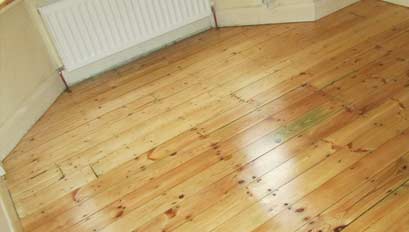
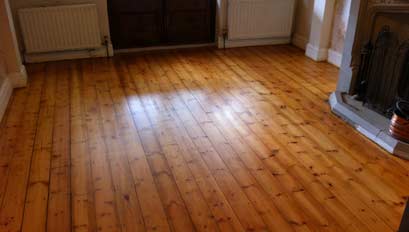
Floor sanding in Rush Green is primarily the restoration of original softwood boards in the area's semi-detached and terraced houses. The process and approach is the same as across the wider Barking and Dagenham housing stock of that era — assessment of board condition during the free site visit, preparation including nail punching and loose board securing, dust-free sanding through graduated grits, gap filling where needed, and finishing.
Original boards from this period — the ground-floor rooms of Rush Green's semi-detached and terraced houses have suspended timber subfloors with softwood tongue-and-groove boards. These boards, laid between the late 1920s and the 1950s depending on the specific street, are typically in reasonable to good structural condition beneath carpet. They sand well and respond positively to a professional finish.
Older Victorian and Edwardian properties — the small number of older properties in Rush Green, particularly along the sections of Rush Green Road and the streets closest to Romford, have the same dense old-growth pine boards found throughout inner east London's Victorian and Edwardian housing stock. These boards are slightly older and often in excellent condition — the higher density of Victorian old-growth pine gives them more remaining sanding life than later softwood.
All sanding in Rush Green is carried out with dust-free extraction equipment capturing up to 99% of airborne particles — essential in the occupied family homes that make up virtually all our RM7 residential work. Rush Green's RM7 postcode sits outside the Congestion Charge area and outside the ULEZ zone — no daily surcharges apply for work in this area.
Finishes we apply in Rush Green: For owner-occupied family homes, hard-wax oil — Osmo Polyx, Bona, or Loba — gives a natural result that suits the domestic character of these properties. For rental properties and busier floors, water-based lacquer (Bona Traffic HD in matt) provides the durability and easy maintenance that busy households need. Full details on all finish options are on our floor sealing and finishing page.
Wood Floor Fitting in Rush Green
New floor installation in Rush Green follows the same pattern as the wider housing stock of that era across east London:
Ground-floor rooms — suspended timber subfloors — the most common subfloor type in Rush Green's period housing. Solid hardwood or engineered wood secret-nailed or floated over appropriate underlay is the standard approach. Moisture assessment on ground floors is always carried out — period properties in Rush Green, like all period properties with suspended subfloors, can show ground moisture variation depending on airbrick condition and subfloor ventilation.
Floor insulation — worth considering for Rush Green ground-floor rooms where the subfloor void is uninsulated. Rockwool mineral wool fitted between the joists reduces heat loss and cold draughts significantly. Our floor insulation fitting service covers Rockwool installation in RM7 period properties, and combining insulation fitting with sanding or repair work where the boards are already being accessed is the most cost-effective approach.
Upper-floor rooms — depending on the specific build date, Rush Green's upper floors may be timber or concrete. We assess the specific subfloor type during the site visit and recommend the appropriate floor specification. Engineered wood or LVT over appropriate underlay suits both timber and concrete upper-floor subfloors.
Kitchens and bathrooms — LVT floor installation is the most practical choice for Rush Green's kitchens and bathrooms — waterproof, durable, and available in realistic wood and stone finishes suitable for family homes.
Extensions — rear extensions to Rush Green's semi-detached houses typically have concrete slab subfloors. We advise on engineered wood or LVT installation for extension floors during the free site visit, with moisture assessment included as standard.
Staircase sanding and fitting — where carpet is removed from a staircase in a Rush Green property, the original softwood treads can often be restored through stairs sanding to complement the restored ground-floor boards. Where treads are beyond restoration, new softwood or hardwood treads can be fitted.
Wood Floor Repair in Rush Green
The age of Rush Green's housing stock generates repair requirements typical of east London's period housing from that era:
Squeaking and loose boards — softwood boards in Rush Green properties develop squeaks as original fixings work loose through decades of seasonal movement. We locate squeak sources precisely and secure boards from above or below where access allows, without lifting the surrounding floor.
Gap filling — seasonal gaps in the softwood boards of Rush Green's period properties develop over decades of central heating cycles. Flexible resin gap filling as part of a complete sanding project produces the most consistent result. Full details on our gap filling service.
Board replacement — where individual boards are damaged, rotted, or missing, we source replacement timber in the appropriate profile and fit it before sanding begins. For Rush Green's period properties, the standard board profile is typically 100mm face width at 22mm thickness — the same specification found across the broader east London housing stock of that era.
Damp-related damage — where ground-floor airbricks have been blocked or subfloor ventilation has deteriorated, boards can develop moisture-related problems including grey staining, cupping, and localised rot. We identify ventilation issues during the site visit and advise on remediation before carrying out any repair work.
Ready to book a free site visit in Rush Green? Call us on 020 7036 0625 or request a free assessment online — we respond to all RM7 enquiries the same working day.
Floor Maintenance in Rush Green
For Rush Green's owner-occupied properties, periodic maintenance keeps floors in good long-term condition between full sanding cycles. Wood floor recoating refreshes a lacquered floor in a single day without sanding — a practical option for busy RM7 family homes where disruption needs to be minimised. Re-oiling for hard-wax oiled floors and waxing for wax-finished floors are equally low-disruption. For Rush Green's rental properties, recoating between tenancies keeps floors looking their best at a fraction of the cost of a full sand. Full details on all maintenance services and pricing are available through our floor maintenance and restoration price guide.
Why Rush Green Property Owners Choose Flooring Services London
- RM7 experience — we work regularly throughout Rush Green, Romford, Dagenham, Chadwell Heath, and the surrounding east London area, understanding the specific construction of RM7's housing stock and the period detailing typical of the area
- Honest assessment — we always advise clearly whether sanding, repair, or replacement is the right approach for a specific floor
- Dust-free sanding — essential in the occupied family homes that make up virtually all our Rush Green work
- No ULEZ or Congestion Charge surcharges — RM7 is outside both zones, so no daily access surcharges apply
- Fixed-price written quotes — assessed in person, confirmed before work starts
- Rated 4.93/5 from verified customers across London
Frequently Asked Questions — Flooring in Rush Green
Can you restore the original softwood boards in a Rush Green semi? Yes — original softwood boards in Rush Green's semi-detached and terraced houses typically respond well to professional sanding and refinishing.Even boards that appear worn or gapped are usually in better structural condition than they look. We assess every floor honestly during the free site visit and confirm what is achievable before any work is agreed.
My house has carpet on the ground floor — are there likely to be original boards underneath? Very likely. Semi-detached and terraced houses in Rush Green almost universally have suspended timber ground floors with softwood tongue-and-groove boards. Whether those boards are in good enough condition to sand depends on their specific history. We confirm the board condition during the free site visit and advise on whether sanding or partial replacement is the right approach.
Is floor insulation worth combining with sanding in a Rush Green property? Yes — particularly for ground-floor rooms where the subfloor void is uninsulated. Combining insulation fitting with sanding or repair work where boards are already being accessed is significantly more cost-effective than doing both jobs separately. Rockwool between the joists makes a meaningful difference to ground-floor warmth in Rush Green's period housing stock.
Does ULEZ or the Congestion Charge apply to Rush Green RM7? No — RM7 is outside both the ULEZ zone and the Congestion Charge area. No daily access surcharges apply for work in Rush Green, which is confirmed in every written quote.
How long does floor sanding take in a typical Rush Green semi? A standard ground-floor room (15–25 m²) is typically completed in one to two days, including sanding and two finish coats. A full ground floor of a semi-detached house (40–60 m²) usually takes two to three days. We confirm the expected duration in the written quote after the site visit.
We cover all Rush Green postcodes within RM7 and regularly work in neighbouring areas including Dagenham, Chadwell Heath, Romford, Hornchurch, and Goodmayes.
Call us on 020 7036 0625 or request a free quote online — we respond to all Rush Green enquiries the same working day.
Flooring Services in Rush Green
As a trusted local flooring company, we offer a comprehensive range of flooring services in Rush Green and surrounding areas. Whether you need new flooring installed, existing floors repaired, or expert advice on the best flooring options for your property, our experienced team is here to help.
Floor Fitting
Wood floor fitting is the process of installing flooring such as engineered wood, solid wood, parquet, or laminate, ensu...
Floor Sanding
Floor sanding is the process of removing the top layer of a wooden floor using professional sanding equipment to elimina...
Wood Floor Repair
Wood floor repair involves fixing damaged, worn, or unstable areas of a wooden floor, including replacing boards, fillin...
Floor Maintenance
Wood floor maintenance includes cleaning, polishing, buffing, and re-coating wooden floors to preserve their appearance,...
Solid Wood Floor Sanding
Solid wood floor sanding is the process of removing the top layer of solid timber flooring to eliminate wear, scratches,...
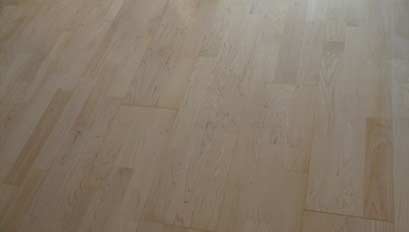
Engineered Floor Sanding
Engineered wood floor sanding is the process of carefully removing the top wear layer of an engineered floor to restore ...
Gap Filling
Wood floor gap filling involves sealing gaps between floorboards or parquet blocks to improve stability, appearance, and...
Floor Sealing
Floor sealing refers to the application of a protective finish, such as lacquer or oil, to a wooden floor after sanding,...
Commercial Floor Sanding
Commercial floor sanding involves restoring wooden floors in high-traffic environments by removing worn finishes, surfac...
Engineered Floor Fitting
Engineered wood floor fitting involves installing multi-layered wooden boards designed for stability, allowing them to p...
Laminate Floor Installation
Laminate floor fitting involves installing multi-layer synthetic flooring boards designed to replicate the appearance of...
Floorboards Fitting
Floorboards fitting covers the installation of timber floorboards, ensuring correct preparation, alignment, and fixing f...
Floor Insulation Fitting
Floor insulation fitting involves installing insulating materials beneath a floor structure to reduce heat loss, improve...
Floorboards Repair
Floorboard repair covers the restoration of damaged, loose, or worn timber boards, addressing issues such as movement, s...
Floor Scratch Repair
Wood floor scratch repair focuses on restoring damaged areas of a wooden floor by reducing or removing surface scratches...
Floor Polishing
Floor polishing focuses on enhancing the appearance of wooden floors by restoring shine, improving surface protection, a...
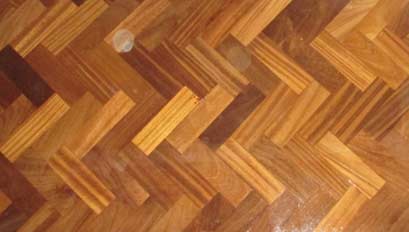
Parquet Floor Sanding
Parquet floor sanding involves carefully restoring patterned wooden flooring by removing worn finishes, surface damage, ...
Floorboards Sanding
Floorboards sanding focuses on restoring timber boards by removing worn finishes, surface damage, and imperfections, cre...
Stairs Sanding
Stair sanding involves restoring wooden staircases by removing worn finishes, surface damage, and imperfections, prepari...
Wood Floor Staining
Floor staining enhances the appearance of wooden floors by applying coloured finishes that change the tone of the wood w...
School Floor Sanding
School floor sanding focuses on restoring wooden floors in educational environments by removing wear, surface damage, an...
Solid Wood Floor Fitting
Solid wood floor fitting requires careful preparation and precise installation, as natural timber reacts to changes in t...
Parquet Floor Fitting
Parquet floor fitting involves installing patterned wooden flooring with precision, ensuring correct alignment, subfloor...
Staircase Floor Fitting
Staircase floor fitting involves installing wooden elements on staircases, including treads, risers, and trims, ensuring...
Soundproofing Wood Flooring
Soundproof floor fitting focuses on reducing airborne and impact noise by installing suitable underlay and flooring syst...
Solid Wood Floor Repair
Solid wood floor repair covers the restoration of damaged timber flooring by replacing worn boards, treating surface iss...
Engineered Floor Repair
Engineered wood floor repair focuses on restoring damaged or worn engineered flooring by addressing surface issues and, ...
Parquet Floor Repair
Parquet floor repair involves restoring patterned wooden flooring by fixing damaged blocks, stabilising loose sections, ...
Wood Floor Cleaning
Wood floor cleaning involves using suitable products and techniques to remove dirt, maintain the finish, and protect the...
Floor Waxing
Floor waxing and recoating involves renewing the protective layer of a wooden floor by removing old wax or finish build-...
Floor Stripping
Floor stripping refers to the removal of old wax, polish, or finish layers from a floor using specialised products, prep...
Wood Floor Re-Oiling
Wood floor re-oiling focuses on renewing the protective oil finish of a wooden floor, enhancing its natural appearance w...
Wood Floor Recoating
Wood floor recoating involves applying a new protective finish over an existing one without full sanding, helping to ref...
Commercial Floor Cleaning
Commercial floor cleaning focuses on deep cleaning and maintenance of flooring in high-traffic environments, removing em...
LVT Floor Installation
LVT floor installation involves fitting luxury vinyl tiles or planks with precision, ensuring correct subfloor preparati...
All our flooring services in Rush Green come with a free, no-obligation estimate. We pride ourselves on quality workmanship and competitive pricing across all London boroughs.
Floor Sanding in RM7 — Romford, Rush Green
The RM7 postcode district covers Romford, Rush Green in London. Our team regularly works on period conversions, Victorian terraces, and modern apartments throughout RM7. Whether you have hardwood boards, parquet, or engineered flooring, we provide professional floor sanding with a free site visit and no-obligation quote.
For detailed area information, see our Flooring Services in Rush Green page.
Frequently Asked Questions
How much does floor sanding cost in Romford, Rush Green, RM7?
Floor sanding in Romford, Rush Green, RM7 typically costs £25 to £45 per square metre depending on floor condition and finish type. Gap filling and repairs are priced separately.
How long does floor sanding take in Romford, Rush Green, RM7?
Most residential floor sanding jobs in Romford, Rush Green, RM7 are completed in 1-2 days. Lacquering or oiling adds drying time.
Is your floor sanding process dust-free in Romford, Rush Green, RM7?
We use modern dustless sanding equipment that captures 98%+ of airborne particles, keeping your Romford, Rush Green, RM7 property clean.
Do you offer free site visits in Romford, Rush Green, RM7?
Yes, we offer free, no-obligation site visits in Romford, Rush Green, RM7. Our surveyor assesses the floor and provides a detailed quote on the spot.
Also available in RM7:
Wood Floor Fitting in Romford, Rush Green, RM7